How Often Should You Water Your Common winterberry?
1
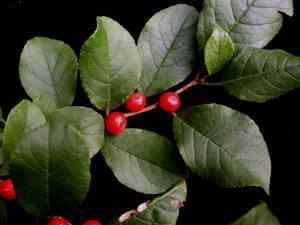
Common winterberry flourishes in damp, yet adequately drained, soil to yield vivid berries.
2
During its active growth phase, irrigate Common winterberry bi-weekly for peak vitality.
3
Prevent root rot by ensuring the soil is never saturated; effective drainage is crucial.
Grasping the Hydration Requirements of Common winterberry
Optimal Soil Moisture Levels
Maintaining appropriate soil moisture is vital for your Common winterberry's well-being. This shrub flourishes in damp soil but can suffer if it's excessively wet or dry. Ideally, the soil should remain consistently moist, meaning it should feel humid to the touch but not waterlogged. Proper drainage is crucial to prevent saturated conditions, which can lead to root decay.
Impacts of Excessive and Insufficient Watering
Both over-watering and under-watering can harm your Common winterberry. Excessive watering can cause root rot and other fungal ailments, while insufficient watering can stress the plant, leading to wilting foliage and poor berry yield. Achieving equilibrium is essential; irrigating twice weekly typically satisfies the plant's needs. Remember to adjust based on weather patterns and soil composition.
Seasonal Irrigation Guide for Common winterberry
Spring and Summer Care
During spring and summer, the Common winterberry is in its active growth phase and demands more water. Maintain an irrigation schedule of at least twice per week. Inspect the top 5-10 cm (2-4 inches) of the soil; if it feels arid, it's time to hydrate. Additionally, applying mulch around the base helps retain soil moisture and keeps the roots cool.
Fall and Winter Adjustments
As the Common winterberry transitions into fall and winter, its water demands decrease. Reduce irrigation to once per week, and always check the soil's dampness before watering. In particularly cold climates, be mindful of frost, as it can affect the plant's root system. Applying a layer of mulch can also help safeguard the roots during colder months.
Optimal Practices for Watering Common winterberry
Selecting the Appropriate Watering Implements
Choosing the correct watering tools can significantly influence your Common winterberry's vitality. Utilize a watering can with a long spout or a garden hose with a gentle spray nozzle to avoid disturbing the soil. Drip irrigation systems are also effective as they deliver consistent moisture directly to the roots while conserving water.
Monitoring Soil and Plant Vigor
Regularly observe the soil's moisture and the overall health of your Common winterberry. Employ a soil moisture meter to obtain precise readings and modify your watering schedule accordingly. Pay attention to indicators of stress, such as yellowing leaves or sparse berry production. Healthy plants exhibit vibrant green foliage and abundant berries.



