How Often Should You Water Your Chinese holly?
1
A fully grown Chinese holly generally requires irrigation on a weekly basis. Nevertheless, the watering schedule could vary depending on environmental factors.
2
Applying mulch around the foundation of the Chinese holly aids in preserving ground hydration and lessens the need for frequent watering.
3
Assessing the soil's dampness (to a depth of 7â10 centimeters or 3â4 inches) prior to watering can avert both excessive and insufficient irrigation.
Grasping the Hydration Requirements of Chinese Holly
The Essentials of Chinese Holly Moisture
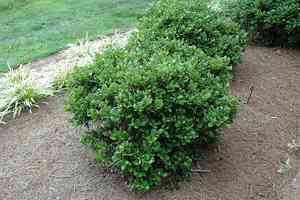
The Chinese holly is a robust shrub recognized for its shiny, prickly foliage and vivid red berries. Originating from East Asia, this plant flourishes in diverse climates but possesses specific water demands for healthy development. Ideally, a Chinese holly should receive water weekly. It's crucial to ensure the soil is damp but not saturated, as this can cause root decay. During arid periods or extremely hot weather, you might need to check moisture levels more often. Remember, the goal is to maintain consistency without over-saturating the soil.
Indicators of Appropriate Moisture Levels
Observing the Chinese holly can provide clues about its hydration status. Healthy, vibrant leaves and consistent growth suggest the plant is receiving the correct amount of water. Conversely, if you notice leaves yellowing or falling off, it could indicate either excessive or insufficient watering. The soil should feel moist to the touch approximately 7â10 centimeters (3â4 inches) deep. Utilizing a soil moisture meter can be an excellent tool to stay informed about your plantâs needs.
Seasonal Irrigation Advice for Chinese Holly
Summer Watering Guidelines
The warm summer months can be challenging for your Chinese holly. During summer, the plant may require additional care and more frequent irrigation. Aim to check soil moisture levels twice a week and water thoroughly if the top layer feels dry. Early morning or late evening is the optimal time to water, as this minimizes evaporation and allows roots to absorb moisture more effectively. Mulching can also help retain soil moisture, reducing the need for frequent watering.
Winter Watering Adjustments
In contrast, winter necessitates a reduction in watering frequency. The Chinese holly, being relatively dormant during colder months, does not require as much water. Watering once every 10 to 14 days should suffice unless you reside in an area with very mild winters. Always check the soil first; if the ground is already damp, you can postpone watering. Overwatering during winter can be harmful, as it may lead to root diseases and other problems.
Optimal Practices for Watering Chinese Holly
Selecting the Correct Watering Implements
Choosing the appropriate watering tools can significantly simplify the care of your Chinese holly. A watering can with a long spout can help direct water flow near the root zone, preventing excessive runoff. For larger garden areas, a soaker hose or drip irrigation system can be particularly efficient. These systems deliver water slowly and directly to the root zone, ensuring deep penetration and reducing water waste.
Techniques to Encourage Deep Root Development
Promoting deep root growth ensures your Chinese holly becomes more drought-tolerant over time. Deep watering techniques, where you thoroughly water the plant less frequently, can encourage roots to grow deeper into the soil. Watering should penetrate at least 15â20 centimeters (6â8 inches) into the ground. This method helps the plant access water even during dry conditions and makes it more resilient to environmental stressors.
Resolving Common Watering Issues
Addressing Excessive Watering
Overwatering is a common problem and can lead to issues like root rot and fungal infections. If you notice leaves turning yellow or a soggy soil texture, it's a sign you might be overwatering your Chinese holly. Immediately decrease watering frequency and ensure the soil has proper drainage. Adding organic matter can improve soil structure and drainage, helping excess water flow away from the roots.
Solving Insufficient Watering Problems
Underwatering can cause the Chinese holly to become stressed, leading to wilting and leaf drop. If you observe these symptoms, it's crucial to increase watering frequency. Ensure the soil is thoroughly saturated during each watering session. If the soil is particularly dry, sometimes it might be beneficial to water gradually, allowing the soil to absorb moisture efficiently rather than letting it run off. Maintaining a consistent watering schedule and monitoring soil moisture levels are key to preventing underwatering issues.



