How Often Should You Water Your Polka dot plant?
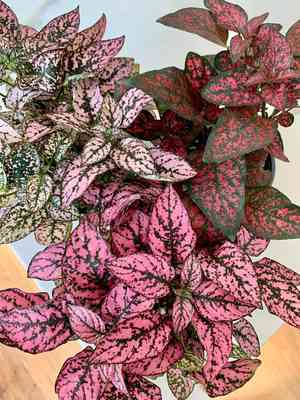
1
Hydrate your Polka dot plant approximately weekly, though modify the schedule according to substrate dampness.
2
Polka dot plants thrive in somewhat damp soil; assess the top inch of growing medium with your digit or a moisture sensor.
3
Lessen irrigation during the inactive winter period, since the plant's development substantially decreases.
Grasping the Hydration Needs of Polka Dot Plants
Elements Affecting Water Requirements
The charming Polka dot plant is cherished for its vibrant, speckled foliage that adds a burst of color to any indoor garden. Understanding its water needs is crucial for optimal development. Various elements, such as the plant's dimensions, the soil type, the pot's material, and environmental factors like humidity and temperature, all influence the amount of water your plant needs. Generally, larger plants in terracotta pots dry out quicker and may require more frequent irrigation than smaller plants in plastic containers. Additionally, indoor plants in heated or air-conditioned environments might necessitate adjustments in watering schedules to prevent both insufficient and excessive watering.
Indicators of Underwatering and Overwatering
Recognizing the signs of insufficient and excessive watering can protect your Polka dot plant from unnecessary stress. Under-hydrated plants often display wilting, drooping leaves, and dry, brown edges. Conversely, over-hydrated plants might show yellowing foliage, root decay, and an overall soggy appearance. Observing the plant's leaves and soil condition can help you refine your watering routine. An essential practice is to check the soil's moisture level before reaching for the watering can. Remember, healthy roots are vital for a flourishing plant.
Optimal Watering Practices for Polka Dot Plants
When to Hydrate: Ideal Time and Frequency
So, when is the best time to water your Polka dot plant? Ideally, early morning is optimal because it allows the plant to absorb moisture before the day's heat. Watering once a week is a good starting point, but always adjust based on the moisture level of the soil. In hotter, drier conditions, your plant may require more frequent watering. Conversely, during cooler, humid periods, less frequent watering is necessary.
How to Hydrate: Techniques for Optimal Moisture
Proper watering technique is crucial for the health of your Polka dot plant. Water thoroughly, ensuring that the water reaches the root zone. Using room temperature water can help prevent shocking the plant. Pour the water gently and evenly around the base of the plant until it starts seeping out of the drainage holes at the bottom of the pot. This ensures that the entire root system receives adequate hydration. Avoid overhead watering as it can lead to fungal diseases by wetting the leaves excessively.
Monitoring Soil Moisture Levels
Consistently monitoring the soil moisture level is key to preventing both underwatering and overwatering. A simple yet effective method is the finger testâinsert your finger about an inch (2.5 cm) into the soil. If it feels dry, it's time to water. Alternatively, a soil moisture meter can provide more precise readings. These meters measure the moisture content at different soil depths, helping you make informed decisions about when to water. Keeping a regular check will help maintain the delicate balance of moisture that the Polka dot plant requires to flourish.
Seasonal Adjustments in Polka Dot Plant Watering
Watering During Growth vs. Rest Periods
The Polka dot plant has distinct watering needs during its active growth phase (spring and summer) compared to its dormant period (fall and winter). During the active growing season, the plant requires more frequent watering due to higher evapotranspiration rates. In contrast, during the dormant period, the plant's metabolic processes slow down, and thus its water requirements decrease. Reducing the watering frequency helps prevent root rot and other water-related issues during the plant's rest period.
Adjusting Watering Strategy Based on Weather Conditions
Weather conditions play a significant role in determining how often you should water your Polka dot plant. During hot, dry spells, the plant might need more frequent watering to cope with the increased water loss. Conversely, during cooler, humid weather, the watering frequency should be reduced to avoid waterlogged soil. If you're growing the plant outdoors, considering rain patterns is also important. Always ensure the soil has proper drainage to accommodate varied weather conditions and maintain the plant's health.



