How Often Should You Water Your Oakleaf hydrangea?
1
Provide moisture to your Oakleaf hydrangea bi-weekly throughout its active growth period.
2
Lessen irrigation frequency in colder periods to avoid excessive watering.
3
Applying mulch can aid in preserving soil dampness and decrease the necessity for regular watering.
Grasping the Hydration Needs of Oakleaf Hydrangea
Elements Affecting Water Requirements
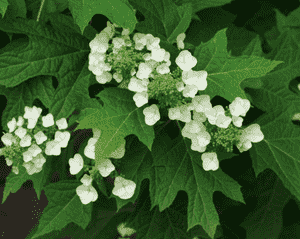
The Oakleaf hydrangea is a lovely and popular plant, recognized for its distinctively shaped leaves and impressive flower clusters. However, establishing the correct watering regimen is vital for its health and aesthetic appeal. Various elements influence the water demands of your Oakleaf hydrangea, including soil composition, weather conditions, and the plant's maturity. For instance, sandy soils drain quickly, necessitating more frequent irrigation, while clay soils retain moisture longer. Young plants and recently planted ones require more consistent hydration until they develop a strong root system.
Seasonal Changes in Watering
Water demands will also fluctuate with the seasons. During spring and summer, the Oakleaf hydrangea experiences rapid development and needs more water, typically requiring irrigation twice weekly. However, as temperatures decrease in autumn and winter, the plant's growth slows, and its water requirements diminish. In colder months, reduce watering to once per week or even less, ensuring adjustments are made based on rainfall and the soil's moisture content.
Appropriate Watering Methods for Oakleaf Hydrangea
Effective Watering Practices
Efficient watering is crucial for sustaining the vitality of your Oakleaf hydrangea. It's preferable to water deeply and less often rather than providing small amounts of water frequently. This encourages roots to penetrate deeper into the soil, enhancing the plant's drought resistance. Water in the morning to allow excess moisture to evaporate and prevent fungal diseases. Aim to thoroughly saturate the root zone, ensuring water reaches a depth of 15-30 cm (6-12 inches).
Indicators of Sufficient Hydration
Determining if your Oakleaf hydrangea is receiving the right amount of water can be challenging, but there are observable signs. Properly hydrated plants possess firm, vibrant foliage and exhibit steady growth. If you observe wilting or yellowing leaves, or if the leaves feel dry and brittle, these could signal the plant needs more water. Conversely, overly saturated, soggy soil or a musty odor indicates overwatering.
Common Watering Errors to Avoid
Steer clear of certain common pitfalls to ensure your Oakleaf hydrangea thrives. Firstly, do not water the leaves; concentrate on the plant's base to minimize fungal risks. Secondly, avoid frequent, shallow watering, which can result in weak roots. Lastly, do not allow the soil to completely dry out between waterings during the active growing period. Keeping these guidelines in mind will help your plant flourish.
Maintaining Soil Moisture Between Waterings
Mulching for Moisture Retention
Mulching is an excellent strategy to help preserve soil moisture between waterings for your Oakleaf hydrangea. Apply a 5-10 cm (2-4 inches) thick layer of organic mulch, such as shredded bark, leaves, or compost, around the plant's base. This layer helps decrease evaporation, keeping the soil cooler and preventing weeds from competing for water. Ensure the mulch does not touch the plant's stem to prevent rot.
Utilizing Moisture Meters for Accuracy
If you desire precision in your watering schedule, consider employing a moisture meter. These devices can gauge the moisture level in the soil, assisting you in determining when it's time to water your Oakleaf hydrangea. Insert the probe into the soil approximately 15 cm (6 inches) deep to obtain an accurate reading. Strive to keep the soil consistently moist but not waterlogged, adjusting your watering routine based on the readings from your moisture meter.



