How Often Should You Water Your Ditch lily?
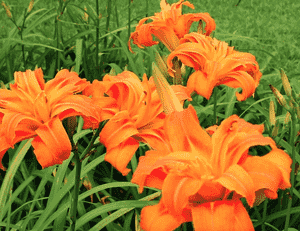
1
Ditch lily generally needs irrigation weekly, though modifications might be needed depending on climatic factors.
2
Always irrigate during the early part of the day or late afternoon to avoid quick water loss.
3
Apply a layer of mulch around the plant to aid in moisture retention and lessen the need for frequent watering.
Grasping the Hemerocallis fulva Hydration Requirements
What Influences Irrigation Frequency?
The frequency of watering for your Hemerocallis fulva is shaped by several elements. Climate plays a vital role; warmer, drier conditions might necessitate more frequent irrigation to offset increased evaporation. Soil composition also significantly impacts this. Sandy soils drain rapidly, potentially requiring more water, whereas clay soils retain moisture longer. Furthermore, the plant's age and size are important; younger plants and those in active growth often demand more water than mature ones.
Optimal Soil Conditions for Hemerocallis fulva
For Hemerocallis fulva to flourish, they prefer damp yet well-draining soil. You should ensure the soil is rich in organic matter to maintain appropriate moisture levels and supply essential nutrients. Incorporating compost or aged manure into the soil can greatly enhance its water retention capacity. Additionally, the ideal pH for Hemerocallis fulva should be neutral to slightly acidic (pH 6.0-7.0) to facilitate prime nutrient uptake.
Irrigation Methods for Hemerocallis fulva
The Best Time to Hydrate
The most opportune time to water your Hemerocallis fulva is in the early morning or late afternoon. This minimizes evaporative loss and allows water to deeply penetrate the soil, effectively reaching the root zone. Morning watering provides plants ample time to absorb moisture before the day's heat, while evening watering ensures water remains in the soil longer, yet avoids fungal growth risks during cooler night temperatures.
How to Water Efficiently
Efficient watering involves more than just turning on a hose. Initially, saturate the soil thoroughly to ensure the root zone is adequately hydrated. Utilizing a soaker hose or drip irrigation system can be particularly effective for Hemerocallis fulva, as it delivers water directly to the plant's base, reducing waste and deterring fungal issues. Avoid wetting the foliage to prevent diseases. A good guideline is to water deeply and less often to encourage robust root development.
Monitoring Hemerocallis fulva Vitality
Indicators of Excessive Watering
Overwatering your Hemerocallis fulva can be as detrimental as insufficient watering. Common signs include yellowing leaves, soft roots, and a noticeable decrease in plant vigor. If the soil is consistently waterlogged or emits an unpleasant odor, these are strong indications that you might need to reduce watering or improve drainage. Regularly check the moisture level using a soil moisture meter or simply by feeling the soil approximately 5 cm (2 inches) below the surface.
Indicators of Insufficient Watering
Conversely, underwatering leads to dry, brittle leaves, stunted development, and scorched leaf tips. The soil surrounding an underwatered plant will often be parched and crumbly. To remedy this, ensure you are adequately watering your Hemerocallis fulva, especially during hot and dry periods. Applying mulch around the plant can help retain soil moisture and lessen the need for frequent irrigation.
Adjusting Watering Based on Plant Cues
Your Hemerocallis fulva will provide signals when its hydration requirements change. Consistent observation of the plant's overall health and soil condition is crucial. If you notice drooping leaves or dry soil, it indicates a need to increase watering frequency. Conversely, if the plant appears wilted but the soil is wet, you need to decrease irrigation. Adapt your watering schedule to the plant's current growth stage, seasonal shifts, and immediate environmental conditions for optimal care.



