How Often Should You Water Your False sunflower?
1
Provide your False sunflower with water each week, modifying as per precipitation levels.
2
Irrigating during the early hours or late in the day assists in reducing water loss through evaporation.
3
Excessive watering can cause root decay; always assess the soil's dampness prior to irrigation.
Grasping the Irrigation Requirements of False Sunflower
Identifying the Native Environment and Moisture Preferences
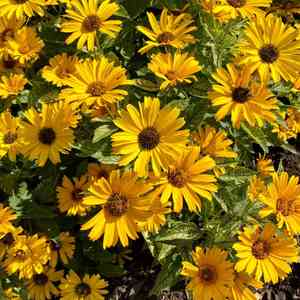
The False sunflower, also known as Heliopsis helianthoides, is a perennial plant indigenous to North America. It flourishes in prairie and meadow settings where it receives ample sunlight and moderate precipitation. Understanding its natural habitat is crucial for replicating these conditions in your garden. Typically, this plant favors well-draining soil and benefits from weekly irrigation. However, always consider the natural rainfall in your region, as excessive moisture can be harmful.
The Impact of Seasonal Variations on Watering
Seasonal shifts significantly affect the watering demands of your False sunflower. During the active growth period in spring and summer, the plant requires more frequent watering to support its development and flowering. Conversely, during autumn and winter, decrease irrigation frequency as the plant's growth slows, and it faces a higher risk of suffering from waterlogged soil. Always modify your watering schedule according to the season to ensure optimal plant vitality.
Indicators of Excessive and Insufficient Watering
Overwatering and underwatering are common problems that can impact the health of your False sunflower. Excessive watering can lead to root rot, characterized by yellowing foliage, wilting despite damp soil, and an unpleasant odor from the soil. On the other hand, insufficient watering typically results in dry, brittle leaves, stunted growth, and drooping. To maintain a thriving plant, always check soil moisture before irrigating and watch for these signs to adjust your watering habits accordingly.
Practical Irrigation Advice for False Sunflower
Optimal Time of Day to Water False Sunflower
The best time of day to irrigate your False sunflower is in the early morning or late afternoon. Watering during these periods helps ensure that the moisture penetrates the soil rather than evaporating under the midday sun. This allows the plant to absorb the necessary hydration throughout the day, promoting healthy development and reducing the risk of fungal infections.
Selecting the Appropriate Water Type and Methods
The kind of water and irrigation technique you employ can greatly influence the health of your False sunflower. Use room temperature water to avoid shocking the plant's root system. Rainwater is ideal if you can collect it, as it's free of chlorine and other chemicals often found in tap water. Regarding techniques, drip irrigation or soaker hoses are effective in delivering water directly to the soil and roots, minimizing water waste and reducing the risk of foliar diseases.
Adjusting Your Watering Schedule Based on Climatic Conditions
Weather conditions play a vital role in determining the watering needs of your False sunflower. During hot, arid periods, you might need to irrigate more frequently than the suggested weekly schedule. Conversely, during times of prolonged rainfall, you can skip watering sessions to prevent waterlogging. Always monitor local weather forecasts and adjust your watering schedule accordingly to ensure your plant receives the correct amount of moisture.
Maintaining Appropriate Soil Moisture
Tools and Methods for Assessing Soil Hydration
Maintaining the correct soil moisture is crucial for the well-being of your False sunflower. You can utilize various instruments to measure soil moisture, such as a moisture meter, which provides precise readings to help you decide when to irrigate. Alternatively, you can use the finger test by inserting your finger approximately 2-3 centimeters (1 inch) into the soil. If it feels dry at that depth, it's time to water.
Mulching: A Technique to Preserve Moisture
Mulching is an excellent way to retain soil moisture for your False sunflower. Applying a 5-8 centimeter (2-3 inch) layer of organic mulch, such as straw, bark chips, or compost, around the base of the plant helps reduce water evaporation, regulate soil temperature, and suppress weed growth. Be sure to leave some space around the stem to prevent rot and provide your plant with the best growing environment.



