How Often Should You Water Your English ivy?
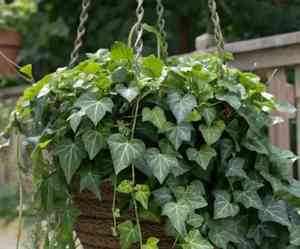
1
Moisten your English ivy bi-weekly. Confirm the soil is parched at least 2.5 cm (1 inch) beneath the surface prior to re-watering.
2
To prevent root decay, select a container with drainage openings and utilize a substrate that encourages proper water flow.
3
Modify the watering schedule based on the time of year. English ivy generally needs less hydration in colder months compared to warmer ones.
Grasping English Ivy's Hydration Needs
How Much Water Does English Ivy Require?
When hydrating your English ivy, moderation is essential. While these resilient, attractive plants prefer slightly damp soil, excessive watering can readily cause issues like root decay. A good guideline is to irrigate them twice weekly. The soil should be allowed to dry out between waterings, at least 2.5 cm (1 inch) below the surface. To verify, simply press your finger into the soil. If it feels arid, it's time for moisture. Conversely, if the soil remains moist, postpone watering again.
Indicators of Insufficient and Excessive Watering
Understanding your English ivy's signals can prevent both under- and over-hydration. If your plant lacks sufficient water, its leaves might become dry, brittle, and brown at the edges. The plant could also appear droopy. On the other hand, plants receiving too much water often develop yellow foliage, and the surplus moisture might lead to root rot. Regularly checking the soil and observing your plant's appearance can help you fine-tune the ideal watering regimen.
The Influence of Seasonal Shifts on Watering
Seasonal variations significantly impact the watering requirements of English ivy. During the active growth period in spring and summer, the plant's vigorous development demands more water. Conversely, in the autumn and winter months, the plant's growth decelerates, and it typically needs less moisture. Be mindful of this natural cycle and adjust your watering schedule to ensure the plant receives the correct amount of hydration throughout the year.
Optimal Practices for Hydrating English Ivy
Selecting the Appropriate Water Type
While tap water is generally suitable for English ivy, be aware that water high in chlorine or fluoride can be harmful. If you observe browning leaf tips, consider switching to rainwater or filtered water. These alternatives are gentler on the plant and can help prevent the accumulation of detrimental minerals in the soil.
Watering Techniques for Peak Health
Effective watering methods can make a considerable difference. Saturate the plant thoroughly until water begins to exit the drainage holes at the pot's base. This ensures the roots receive ample moisture. Avoid letting the plant sit in standing water, as this can cause root decay. It's also beneficial to water in the morning so the plant has time to absorb the moisture before the cooler, less active nighttime hours.
Modifying Your Watering Schedule
Adjusting your watering schedule to the plant's immediate surroundings is vital. Factors such as indoor heating, air humidity, and temperature fluctuations can affect how quickly the soil dries. During hot summer months, you might need to water more frequently, while in cooler months, reduce the watering frequency to prevent over-saturation. It's all about responding to your plant's needs at various times.
Resolving Common Hydration Issues
What to Do If Your English Ivy Is Struggling?
If your English ivy isn't flourishing, the initial step is to re-evaluate your watering habits. Check the soil's moisture level and observe the plant for any signs of distress, such as yellowing leaves or wilting. Adjust your watering schedule accordingly. Additionally, consider the light conditions and soil quality, as these can also impact the plant's vitality.
How to Revive Overwatered English Ivy
Rescuing an overwatered English ivy requires prompt action. First, remove the plant from its container to inspect the roots. Healthy roots are white and firm, while decayed roots are brown and soft. Trim away any severely affected roots and repot the plant in fresh, well-draining soil. Ensure the new pot has adequate drainage holes. Reduce watering and allow the soil to dry out before re-hydrating the plant.
Preventing Root Rot and Other Water-Related Ailments
Preventing root rot and other water-related diseases begins with sound watering practices. Always use a pot with proper drainage, and avoid letting the plant sit in water. Utilize well-draining soil and ensure the plant is not placed in excessively humid or poorly ventilated areas. Monitoring the plant and reacting promptly to signs of distress can save your English ivy from serious problems.



