How Often Should You Water Your Silky oak?
1
Provide irrigation to your Silky oak roughly once per week, making adjustments based on seasonal conditions.
2
Around two liters (0.5 gallons) of water is generally sufficient for a youthful Silky oak planted outdoors.
3
Insufficient watering may result in leaf curling, whereas excessive watering could promote root decay.
Understanding Silky oak Water Needs
The Basics of Silky oak Hydration
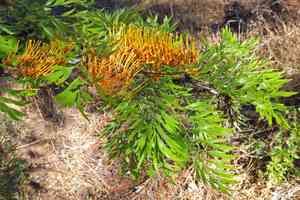
The Silky oak (Grevillea robusta) is an impressive Australian native tree, known for its abundant foliage and vivid orange-yellow blossoms. Regarding moisture, the Silky oak has specific requirements to flourish. A mature Silky oak can maintain its vitality with weekly irrigation, though younger trees might need more frequent watering. Establishing a consistent schedule early is vital for supporting robust growth and development. Typically, around half a gallon (approximately 2 liters) of water per week is adequate for a young tree.
Factors Influencing Water Requirements
Several elements impact the amount of water your Silky oak needs. Soil composition, climate conditions, and the tree's age and size are important considerations. Soils with excellent drainage will require more frequent watering than heavy clay soils which hold moisture longer. Local climate also plays a critical role; trees in hot, arid regions will need more regular irrigation compared to those in humid environments. Furthermore, young trees and recently planted Silky oaks demand more consistent watering than well-established, mature trees.
How to Properly Water Your Silky oak
The Best Time to Water Silky oak
It's generally optimal to irrigate your Silky oak in the early morning or late afternoon when temperatures are milder. This allows water to penetrate the soil with minimal evaporation, ensuring that the root system absorbs the maximum moisture. Watering during peak daylight hours can result in rapid water loss and ineffective hydration.
Techniques for Effective Watering
Effective watering involves more than just how often you water. Ensure you water deeply, reaching the root zone, rather than merely moistening the surface. Employing a soaker hose or drip irrigation can be especially advantageous as they deliver slow, consistent, and profound watering. Avoid overhead irrigation to prevent fungal issues on the leaves, and make certain the water penetrates at least 25-30 cm (10-12 inches) into the ground.
Signs of Over and Under Watering
Identifying the indicators of excessive or insufficient watering is critical for your Silky oak's well-being. Over-watering can lead to root rot, evident by yellowing leaves and soft, decaying roots. Conversely, under-watering can cause leaves to curl, become brittle, and drop prematurely. The soil should feel damp but not saturated; you can check this by inserting your finger about 5 cm (2 inches) into the soil. If it's dry at this depth, it's time to water.
Seasonal Adjustments for Silky oak Watering
Adapting Watering Practices in Summer
During the summer, water demand increases due to higher temperatures and extended daylight hours. Increase watering frequency to twice weekly in extremely hot periods. Applying mulch around the base of your Silky oak can help retain soil moisture, regulating temperature and decreasing evaporation. Additionally, monitor your tree for any signs of distress, such as wilting or leaf burn, and adjust your watering schedule accordingly.
Winter Care and Water Regulation
In winter, Silky oak trees enter a period of reduced activity where they need less water. Decrease watering frequency to every 10-14 days, ensuring the soil remains slightly damp but not waterlogged. Be cautious of over-watering as colder temperatures can slow down water absorption, potentially leading to root rot. It’s equally important to water on sunny days when the ground isn’t frozen to help maintain root health.



