How Often Should You Water Your Common globe amaranth?
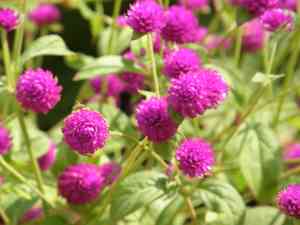
1
Hydrate your Common globe amaranth bi-weekly for peak development.
2
Confirm the uppermost 2-3 cm (1 inch) of substrate is arid prior to subsequent irrigation to prevent root decay.
3
Employing a soaker hose assists in sustaining uniform soil dampness.
Deciphering the Hydration Requirements of Common globe amaranth
The Significance of Proper Moisture
Hydration is vital for the vitality and flourishing of your Common globe amaranth. Adequate watering enables the plant to efficiently conduct photosynthesis, absorb nutrients, and maintain its structural integrity. Insufficient watering can result in stunted development, sparse blooms, and even plant demise. Conversely, excessive water can foster root rot, which is equally harmful.
Indicators of Insufficient and Excessive Watering
Recognizing the signs of both inadequate and over-watering will assist you in achieving proper balance. If your Common globe amaranth is under-watered, you might observe drooping, dry or brittle leaves, and slower growth. In contrast, over-watered plants may display yellowing foliage, a soft base, and an overall flaccid appearance. Regular soil moisture checks will help prevent these problems.
Seasonal Changes in Hydration
The moisture demands of Common globe amaranth can fluctuate with the seasons. During warm summer periods, more frequent watering might be necessary due to heightened evaporation and faster growth rates. Conversely, during colder winter months, the plant's water needs decrease, allowing for a more extended watering interval. Always adapt based on current weather conditions and the plant's developmental stage.
Effective Watering Practices for Your Common globe amaranth
Choosing Suitable Watering Equipment
Selecting the correct watering implements can significantly impact the thriving of your Common globe amaranth. A watering can with a slender spout permits regulated delivery, preventing surplus water from splashing onto the foliage. Alternatively, a soaker hose or drip irrigation system can deliver a slow, continuous supply of water directly to the roots, encouraging deep soil penetration without causing waterlogging.
Optimal Hydration Techniques
The best method for watering Common globe amaranth is to do so early in the day, allowing any extra moisture on the leaves to evaporate by nighttime. This helps deter fungal diseases. When watering, target the base of the plant to ensure the roots receive ample moisture. Saturate the soil thoroughly until water begins to drain from the bottom of the container or garden bed, indicating sufficient application.
Determining Adequate Moisture Levels
It's crucial to maintain the correct moisture level to keep your Common globe amaranth thriving. A quick way to check is to insert your finger approximately 2-3 cm (1 inch) into the soil. If it feels dry, it's time to water. A moisture meter can also provide a more precise reading. Ensure the soil remains damp but not waterlogged to prevent root rot and encourage vigorous growth.
Addressing Watering Challenges
Managing Water Stress in Common globe amaranth
Water stress can occur when your Common globe amaranth does not receive the appropriate amount of water. Symptoms of stress include wilting, leaf shedding, and diminished blooming. To alleviate water stress, observe local weather patterns and adjust your watering routine accordingly. Applying mulch around the plant's base can also aid in retaining soil moisture and lessening evaporation, particularly during hot periods.
Adapting Watering Needs to Various Environments
The environment where your Common globe amaranth is situated can greatly influence its watering requirements. In a humid environment, the plant may need less frequent watering, whereas in arid regions, more regular irrigation might be necessary. Indoor plants generally demand less water than outdoor ones due to reduced wind exposure and sunlight. Always consider the specific conditions of your growing location when establishing your watering regimen.



