How Often Should You Water Your Bloody cranesbill?
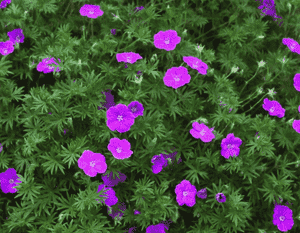
1
Bloody cranesbill thrives in soil that drains effectively, avoiding root decay.
2
Irrigate Bloody cranesbill during the early morning hours to minimize water loss through evaporation.
3
Providing water to your Bloody cranesbill once every seven days is typically adequate.
Understanding the Hydration Requirements of Bloody cranesbill
The optimal soil moisture for Bloody cranesbill
Bloody cranesbill thrives best in soil that maintains consistent moisture levels without becoming waterlogged. The ideal soil should feel damp to the touch but not saturated. The roots of Bloody cranesbill require access to both water and oxygen, meaning the soil should permit drainage while retaining some moisture. Consider utilizing a soil mix containing compost or peat moss to aid in moisture retention and consistency.
Consequences of excessive and insufficient watering
Properly hydrating your Bloody cranesbill is vital for its well-being. Overwatering can lead to waterlogged soil, resulting in root rot and other fungal diseases. Symptoms of overwatering include yellowing foliage and wilting. Conversely, insufficient watering can cause the plant to dry out, leading to crispy, brown leaf edges and a generally unhealthy appearance. Achieving the correct balance in watering frequency is crucial for maintaining a thriving plant.
Best Practices for Hydrating Bloody cranesbill
Seasonal watering adjustments
The hydration needs of Bloody cranesbill vary with the seasons. During spring and summer, when the plant is actively growing and flowering, slightly increase your watering frequency to twice a week, if necessary. However, during fall and winter, when the plant's growth slows, reduce watering to every 10-14 days to prevent overwatering.
Recommended watering implements and methods
Employing the right tools can help you maintain the correct moisture level for your Bloody cranesbill. A simple watering can with a narrow spout allows for precise watering at the plant's base, avoiding the leaves. You might also consider a soaker hose or drip irrigation system for uniform and thorough soil saturation. Always aim to water early in the morning when temperatures are cooler and evaporation rates are lower, ensuring maximum absorption.
Monitoring Soil Moisture for Optimal Hydration
Utilizing soil moisture meters
Soil moisture meters can be an effective way to gauge the hydration needs of your Bloody cranesbill. Insert the meter into the soil to obtain a direct reading of moisture levels at the root zone. This tool helps prevent both over- and underwatering by providing real-time data on whether the soil is too dry, adequately moist, or too wet, ensuring optimal watering practices.
Manual methods to assess soil dampness
For those who prefer a more hands-on approach, manually checking soil dampness is a reliable method. Insert your finger approximately 2.5 cm (1 inch) into the soil; if it feels dry at this depth, it's time to water. Another method is to use a wooden skewer or pencil; insert it into the soil and check for moisture adherence—if the tool comes out clean, the soil needs watering, but if soil clings to it, the moisture level is likely sufficient.



