How Often Should You Water Your Treasure flower?
1
Provide thorough irrigation to your Treasure flower weekly to guarantee adequate root hydration.
2
Employ a potting blend that drains effectively to deter water accumulation near the root system, thus preventing decay.
3
Indicators of excessive watering include foliage discoloration to yellow and a continually moist topsoil.
Deciphering the Hydration Requirements of Gazania
Elements Affecting Water Demands
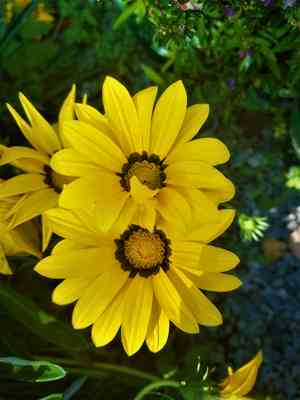
The Gazania, a robust and vibrant flora renowned for its daisy-like blossoms, flourishes in sun-drenched environments. Several aspects can influence the quantity of water your Gazania needs. Primarily, the climate is key; in warmer areas, the plant will necessitate more frequent irrigation. Soil composition is another vital consideration. Highly permeable soil is crucial for Gazania as they are susceptible to root decay if kept in saturated conditions. The plant's placement also impacts its water requirements. Gazania cultivated in pots typically demand more regular watering compared to those in garden beds, as containers tend to dry out faster. Furthermore, the plant's maturity and dimensions can affect watering; younger specimens might need slightly more attention.
Indicators of Adequate Moisture and Excessive Watering
Distinguishing between a properly hydrated and an overwatered Gazania is essential for its well-being. A sufficiently watered Gazania will exhibit vibrant, firm foliage, and its blooms will appear bright and fully open. Conversely, excessive watering can manifest as yellowing leaves, a soft stem, and perpetually damp soil or the development of surface mold. Another sign is an unpleasant odor emanating from the soil, indicative of root rot. In contrast, well-draining soil and a weekly watering regimen should ensure your Gazania thrives.
Optimal Practices for Irrigating Gazania
Seasonal Watering Directives
Hydrating your Gazania varies with the changing seasons. Throughout the active growth period, typically from spring through early autumn, aim to thoroughly water the plant once every seven days. This allows moisture to permeate deeply into the soil, fostering strong root development. During the cooler periods of late autumn and winter, the plant's water needs substantially diminish. You should decrease watering to every two weeks or even monthly, depending on the soil's dryness. Always examine the upper 2-3 inches (5-7.5 cm) of soil to confirm it's dry before reapplying water.
Techniques for Efficient Moisture Delivery
To water your Gazania effectively, it's best to irrigate in the early morning or late evening, which reduces evaporation rates and ensures maximum water absorption by the plant. Direct the water towards the plant's base rather than from overhead to minimize the risk of fungal ailments on the foliage and flowers. Utilizing a soaker hose or a watering can with a slender spout will aid in efficiently delivering water to the root system. Another suggestion is to apply mulch around the plant's base, which helps retain soil moisture and prevents rapid desiccation.
Common Watering Errors to Avoid
How Excessive Watering Can Harm Your Gazania
Overwatering stands as one of the most frequent errors in Gazania care. This plant is remarkably tolerant of drought, therefore it does not necessitate frequent watering. Excessive irrigation can lead to root rot, where the roots become waterlogged and begin to decompose. This condition inhibits the plant's ability to absorb vital nutrients and water, ultimately causing its decline. Decayed roots turn dark and slimy, a stark contrast to healthy, robust roots. To prevent this, ensure the soil drains well and water only when the uppermost layer of soil is dry.
Strategies to Prevent Insufficient Hydration
While Gazania is drought-tolerant, it is still possible to underwater it, particularly during extended dry periods. Symptoms of insufficient watering include drooping leaves that appear parched and brittle, and diminished blooming. If you observe these indicators, immediately check the soil's moisture levels and thoroughly water the plant. To avert underwatering, maintain a consistent watering schedule, especially during warmer months. Investing in a moisture sensor can also assist in monitoring soil hydration, ensuring your plant receives adequate moisture without the danger of overwatering.



