How Often Should You Water Your Snowdrop?
1
Provide moisture to your Snowdrop every one to two weeks, letting the uppermost soil layer become somewhat dry between hydration sessions.
2
Throughout the colder months, reduce the frequency of watering for your Snowdrop to prevent the soil from becoming overly saturated.
3
Confirm that the water applied is at ambient temperature to safeguard the plant's root system from shock.
Deciphering Snowdrop Hydration Requirements
Seasonal Watering Directives for Snowdrop Plants
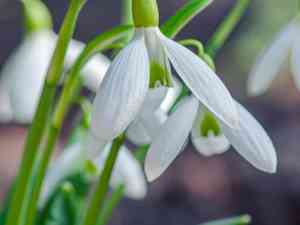
The Snowdrop, celebrated for its delicate, white, bell-shaped blooms, necessitates a specific watering regimen that shifts with the seasons. During spring and summer, its active growth phase, it requires more frequent irrigation—approximately every 1-2 weeks. Maintaining uniformly moist soil, without waterlogging, is crucial. As autumn approaches and temperatures drop, gradually decrease watering frequency. In winter, when the Snowdrop is dormant, watering should be minimal. At this time, allow the soil to remain slightly dry to prevent root decay. A good practice involves checking soil dampness before watering and adapting to your climate and the plant's specific needs.
Indicators of Excessive or Insufficient Watering
Recognizing the symptoms of overwatering and underwatering is critical for a thriving Snowdrop. Overwatering often causes yellowing foliage and a soft, mushy stem base, frequently leading to root rot. You might also detect a musty odor from the soil. Conversely, underwatering typically manifests as drooping leaves, inhibited growth, and soil retracting from the pot's edges. The key to preventing both extremes is consistent monitoring of soil moisture levels and adjusting your watering schedule accordingly. Ensure your plant's container has adequate drainage to prevent water accumulation at the bottom.
Optimal Practices for Hydrating Snowdrop
Selecting the Appropriate Water Type
The quality of water you use can significantly influence your Snowdrop's well-being. Ideally, use water at room temperature, as cold water can shock the roots, while overly warm water can encourage harmful bacterial proliferation. Rainwater is an excellent choice, being free of chemicals like chlorine and fluoride commonly found in tap water. If rainwater isn't available, consider using distilled or filtered water. If tap water is necessary, let it sit for 24 hours to allow chlorine to dissipate before applying it to your Snowdrop.
The Importance of Soil in Snowdrop Hydration
The correct soil mix can greatly affect your Snowdrop's moisture retention capabilities. Snowdrops thrive in well-draining soil, which helps prevent water from pooling around the roots and causing rot. A soil blend consisting of equal parts loam, sand, and organic matter like compost or peat moss works effectively. This combination ensures the soil holds sufficient moisture while allowing excess water to drain away. Regular soil checks and replenishment, if needed, can keep your Snowdrop healthy and well-hydrated.
Addressing Common Hydration Problems
Managing Saturated Soil Conditions
Waterlogged soil can be very damaging to your Snowdrop, potentially leading to root rot and other issues. If you notice signs of waterlogged soil, such as persistent wetness or an unpleasant odor, prompt action is necessary. First, cease watering immediately and allow the soil to dry. You might need to gently remove the plant from its pot to inspect and trim away any decayed roots. Repot the plant into fresh, well-draining soil, ensuring the new container has sufficient drainage holes. Moving forward, be mindful of your watering frequency and the volume of water applied.
Adjusting Watering Schedules in Diverse Climates
Climate plays a crucial role in determining the appropriate watering regimen for your Snowdrop. In humid environments, soil tends to retain moisture longer, thus requiring less frequent watering. Conversely, in arid and hot climates, soil dries out faster, and you may need to hydrate your Snowdrop more often. It's vital to observe the plant's reaction to your watering habits and make necessary modifications. During rainy seasons, natural precipitation might be enough, reducing the need for additional watering. However, during dry spells or in heated indoor settings, you might need to slightly increase watering frequency.



