How Often Should You Water Your Indian blanket?
1
Provide irrigation to the Indian blanket plant semi-weekly to maintain its health and vibrancy.
2
Administer water during the early hours of the morning or late in the evening to reduce moisture loss through evaporation.
3
Throughout the summer months, elevate the frequency of watering to ensure the soil does not become entirely parched.
Deciphering the Hydration Needs of Indian blanket
What Affects Water Requirements?
The hydration demands of your Indian blanket are shaped by various factors like soil composition, climatic conditions, and the plant's vitality. Sandy substrates, for example, drain rapidly, necessitating more frequent irrigation. Conversely, clayey soils hold moisture longer, potentially requiring less frequent watering. Weather significantly impacts this; during hot, dry periods, your Indian blanket will need increased moisture, whereas cooler, rainy times may demand less. Furthermore, understanding your plant's health and maturity influences its water intake—recently planted Indian blankets generally require more water than established ones.
Indicators of Adequate Hydration in Indian blanket
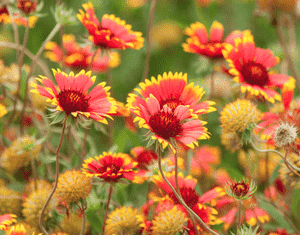
Properly hydrated Indian blanket plants display lush, vibrant blossoms and robust, green foliage. Should you observe yellowing or drooping leaves, it might signal insufficient or excessive watering. An Indian blanket with firm stalks and consistently blooming flowers is typically well-hydrated. To verify proper moisture, feel for damp soil approximately 2 inches (5 cm) below the surface. Adhering to a twice-weekly watering schedule usually ensures the plant receives sufficient moisture.
Optimal Practices for Irrigating Indian blanket
Selecting the Best Time for Watering
Timing is vital when it comes to hydrating your Indian blanket. The ideal times to water are in the early morning or late evening. Watering during these periods minimizes evaporation, ensuring more water reaches the plant's root system. Morning irrigation also allows any surplus moisture on the leaves to dry during the day, lowering the risk of fungal ailments. Always avoid watering during the hottest part of the day, as high temperatures can lead to rapid moisture loss and plant stress.
Effective Irrigation Methods
Efficient watering techniques can greatly enhance the well-being of your Indian blanket. A prime strategy is to water the plant's base directly, avoiding the leaves to deter fungal diseases. Utilize a soaker hose or a drip irrigation system to supply consistent moisture to the soil. This method ensures water penetrates deeply into the root zone, fostering healthy root development. Refrain from using sprinklers, as they can result in uneven hydration and water waste. Deep, less frequent watering is generally preferable to shallow, frequent watering.
Modifying Watering Based on Seasons
Seasonal shifts necessitate adjustments in your Indian blanket's watering routine. During the warm summer months, boost watering frequency to more than twice weekly to prevent the soil from completely drying out. In contrast, during cooler periods or rainy seasons, you can decrease watering frequency to avert overwatering and root decay. Closely monitor weather patterns and soil moisture levels, and be ready to adapt your watering schedule accordingly. Applying mulch around the plant's base can help retain moisture and lessen the need for frequent irrigation.
Addressing Common Watering Challenges
Managing Excessive Watering
Overwatering is a frequent problem that can cause root rot and diminish the health of Indian blanket. Indicators of overwatering include yellowing leaves, a soft stem base, and an unpleasant odor from the soil. To resolve overwatering, reduce irrigation frequency and ensure adequate drainage, possibly by enhancing soil structure. If the plant is container-grown, verify it has drainage holes, and consider repotting it with fresh substrate. Allow the soil to dry out somewhat before the subsequent watering session.
Resolving Symptoms of Underwatering
Underwatering can cause the Indian blanket to wilt, with its leaves appearing dry and brittle. If the plant isn't receiving enough water, its blooms might also be smaller or fail to develop. To correct underwatering, regularly check soil moisture and water more often as needed. Ensure water penetrates at least 2–3 inches (5–8 cm) into the soil to reach the roots. Mulching can also aid in retaining soil moisture and reducing the necessity for frequent watering.
Preventative Measures for Optimal Growth
Prevention is crucial for ensuring the best growth of your Indian blanket. Consistently monitor soil moisture and modify watering practices based on the season and weather conditions. Apply mulch around the plant’s base to conserve moisture and inhibit weed growth. Guarantee proper soil drainage to prevent waterlogging. Incorporate organic material into the soil to improve its water retention capacity and nutrient content. By adhering to these preventive steps, you can cultivate a strong and vibrant Indian blanket with minimal watering difficulties.



