How Often Should You Water Your Nerve plant?
1
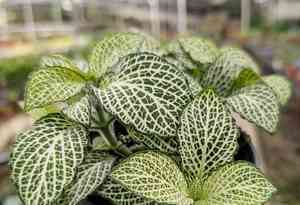
Moisten your Fittonia plant about once a week to maintain a uniformly damp, but not saturated, substrate.
2
Should foliage begin to droop or discolor to yellow, it often signals either excessive or insufficient irrigation—learn to interpret these clues!
3
Employing room-temperature, purified water can be more beneficial for delicate houseplants such as the Fittonia.
Deciphering Nerve Plant Hydration Requirements
Primary Elements Affecting Moisture Needs
The Fittonia, a tropical indoor plant, is celebrated for its striking, patterned leaves. These intricate designs flourish only when the plant's moisture needs are adequately met. Several aspects influence how much water your Fittonia demands, including the potting medium, container size, and ambient conditions. Typically, the Fittonia prefers continuously damp but not waterlogged soil. Therefore, selecting a well-draining potting mix and a pot with drainage holes is essential.
Indicators of Excessive or Insufficient Watering
Recognizing the symptoms of overwatering and underwatering is vital for your Fittonia's well-being. Excessive moisture can lead to yellowing leaves and root decay, while insufficient water often results in wilting and brittle leaf edges. Periodically check soil dampness by inserting your finger about one inch (2.5 cm) into the substrate. If it feels dry, it's time to irrigate. Conversely, if it feels saturated, re-evaluate your watering routine and ensure proper drainage.
Optimal Hydration Practices for Nerve Plant
Selecting Appropriate Water Quality
The nature of the water can considerably impact your Nerve plant. Tap water with elevated chlorine or fluoride content can be detrimental. Employing lukewarm, filtered, or distilled water is strongly advised to prevent chemical accumulation in the soil. If utilizing tap water, allowing it to sit exposed overnight permits chlorine dissipation, making it safer for your plant.
Irrigation Method and Implements
Effective watering methods ensure your Nerve plant thrives. Always apply water at the plant's base, avoiding the foliage to deter fungal problems. A watering can equipped with a slender spout provides enhanced control, guaranteeing direct delivery of water to the soil. Furthermore, consider employing a moisture meter to accurately maintain ideal soil hydration levels.
Seasonal Adjustments for Nerve Plant Watering
Summer and Spring Irrigation
During the active growth periods of spring and summer, the Nerve plant may require more frequent watering, approximately every 5-7 days. Increased sunlight exposure and warmer temperatures cause the soil to dry out quicker. Monitor soil moisture closely and modify your watering schedule accordingly to keep the soil consistently damp.
Autumn and Winter Irrigation
In the colder months of autumn and winter, the Nerve plant's growth rate diminishes, and its water requirements decrease. Irrigate the plant less often, about every 10-14 days, ensuring that the soil remains slightly moist but not waterlogged. Be mindful of indoor heating systems that can desiccate the air and soil more rapidly, necessitating a careful balance.
Maintaining Humidity for Enhanced Growth
Humidity's Significance for Nerve Plant
The Nerve plant flourishes in highly humid conditions, replicating its natural tropical habitat. Low humidity levels can cause the plant's leaves to dry out and develop brown edges. Preserving the correct humidity level is as crucial as proper watering to ensure healthy, vibrant foliage.
Practical Strategies to Boost Humidity
There are several effective ways to elevate humidity for your Nerve plant. Clustering plants together creates a localized environment with increased moisture. Placing a humidity tray filled with water and decorative stones beneath the pot allows water to evaporate around the plant. Additionally, employing a room humidifier or regularly misting the leaves can significantly enhance humidity levels, promoting more robust growth.



