How Often Should You Water Your Mottled spurge?
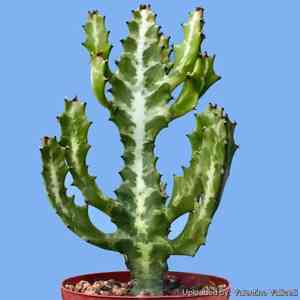
1
Provide moisture to your Mottled spurge bi-weekly for optimal development.
2
Assess soil dampness prior to irrigation to prevent excessive watering.
3
Utilize collected rain or purified water for superior outcomes.
Grasping the Hydration Needs of Mottled spurge
Elements Affecting Water Requirements
The hydration demands of your Mottled spurge can fluctuate based on several aspects. These encompass the plant's dimensions, the substrate it's cultivated in, the period of the year, and its growing environment. Larger specimens with established root systems typically endure longer between waterings than smaller, younger ones. Soil composition also plays a crucial role; sandy soils, for instance, drain rapidly and may require more frequent irrigation than clay soils. Furthermore, during the active growth phase (spring and summer), your Mottled spurge will need more moisture compared to its dormant phase (fall and winter). Environmental elements like indoor humidity and temperature also influence how quickly the soil dries out.
Indicators of Excessive and Insufficient Watering
Recognizing the signs of over-watering and under-watering can assist you in maintaining the ideal balance for your Mottled spurge. Over-watering manifests as yellowing foliage, a soft stem, and in severe instances, root decay. The plant might also appear limp and lose its vibrancy. Conversely, under-watering indicators include wilting, dry, and brittle leaves. If the leaves begin to curl inward, it's a clear signal that your plant requires immediate hydration.
Optimal Watering Methods for Mottled spurge
Selecting the Appropriate Soil and Container
The correct soil and pot are vital for sustaining proper moisture levels for your Mottled spurge. Well-draining soil is imperative; a cactus or succulent blend is perfect as it prevents water from accumulating around the roots. The container should also possess sufficient drainage holes to allow surplus water to exit. A terra-cotta pot is excellent as it aids in wicking moisture away from the soil, ensuring that your Mottled spurge doesn't remain in excessively damp conditions.
Seasonal Irrigation Guidelines
Different seasons necessitate distinct watering routines for your Mottled spurge. During the warm growth months of spring and summer, watering every 2 weeks is generally adequate. However, always inspect the soil first; if the top 2-3 centimeters (1 inch) are dry, it's time to irrigate. In the dormant periods of fall and winter, reduce watering to once a month. During these cooler months, the plant's metabolic rate slows, and it demands less water.
Water Quality and Its Influence on Mottled spurge
Suitable Water Types for Robust Development
The kind of water you utilize can significantly impact the vitality of your Mottled spurge. Tap water is frequently treated with chlorine and fluoride, which can accumulate in the soil and harm the plant over time. For peak health, employ rainwater or distilled water. These water types are devoid of harsh chemicals and mimic the natural precipitation the plant would receive in its native habitat.
Preventing Common Water-Related Problems
To avert common water-related issues, it's crucial to adhere to a few key practices. Always ensure your pot has adequate drainage, and never allow the plant to sit in standing water. If you accidentally overwater the plant, be sure to drain any excess water from the saucer beneath the pot. Regularly checking the soil moisture is also essential; a moisture meter can be a valuable tool in guaranteeing that your Mottled spurge receives the perfect amount of water.



