How Often Should You Water Your Evergreen spindle?
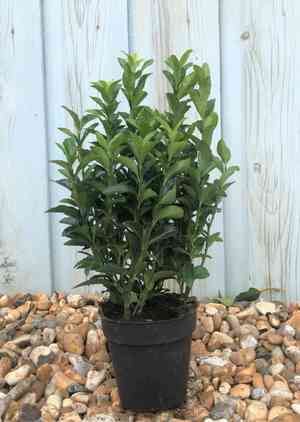
1
Provide consistent weekly hydration for your Evergreen spindle, modifying the schedule based on seasonal changes and ambient conditions.
2
Utilizing a moisture sensor can be beneficial for precisely gauging the soil's moisture content for your Evergreen spindle.
3
Refrain from watering in the late hours or during peak daytime heat to mitigate the risk of fungal infections and minimize water loss through evaporation.
Understanding the Hydration Needs of Evergreen Spindle
The Significance of Appropriate Irrigation
The Evergreen spindle is a adaptable, robust plant that flourishes with correct watering techniques. Hydration is vital as it impacts the plant's overall vitality. Proper watering encourages robust root growth and guarantees effective nutrient delivery throughout the plant. Both excessive or insufficient watering can lead to issues like root rot or wilting. Therefore, mastering watering is crucial for a strong and thriving Evergreen spindle.
Indicators of Excessive and Insufficient Watering
It's crucial to distinguish between the signs of both over-watering and under-watering in your Evergreen spindle. Over-saturation can result in leaf discoloration to yellow, an earthy smell from the substrate, and even fungal development. Conversely, inadequate watering manifests as dry, brittle foliage and stunted development. Regular observation of these indicators can help you adjust your watering routine before considerable harm occurs.
Optimal Hydration Methods for Evergreen Spindle
Best Period and Regularity for Watering
For the healthiest Evergreen spindle, aim to irrigate your plant weekly. The ideal time to water is during the early morning hours or late in the afternoon. This schedule helps the plant absorb moisture before intense daytime heat causes excessive evaporation. Watering at these times also helps to minimize the risk of fungal infections developing.
How to Assess Soil Moisture Prior to Irrigation
Before rehydrating your Evergreen spindle, it's essential to gauge the soil's moisture level. You can do this by inserting your digit approximately 5 centimeters (2 inches) into the potting medium. If it feels parched at that depth, it's time to water. For a more precise assessment, consider employing a soil moisture sensor. This instrument provides a clear reading of the soil's dampness and helps avert overwatering.
Seasonal Watering Adjustments for Evergreen Spindle
Watering During the Active Growth Period
During its active growth phase, typically from spring through early autumn, your Evergreen spindle will require more moisture. This is when the plant is actively developing and consuming additional resources. Aim to maintain consistently damp soil, but not waterlogged. This implies you might need to water more frequently than once weekly, depending on climatic conditions and the plant's size.
Watering During Rest Periods
During its dormant phase, typically in winter, the Evergreen spindle needs less water. The plant's growth diminishes, and its need for hydration decreases. During these months, you can reduce watering frequency to every two weeks or even monthly, ensuring the soil doesn't completely desiccate.
Resolving Common Hydration Problems
Addressing Discolored Leaves
Leaf yellowing can be a frequent issue, often signaling over-watering. If you observe your Evergreen spindle developing yellow leaves, check the soil's dampness and decrease irrigation until the soil somewhat dries. Ensure your container or planting site has sufficient drainage to prevent water accumulation around the root system.
Actions to Take If Your Plant is Over-Hydrated
If your Evergreen spindle becomes over-watered, first, cease irrigation until the soil partially dries. You might also consider repotting the plant with fresh, dry substrate. Incorporating more drainage, such as perlite or sand, into the soil mix can help alleviate the problem. Additionally, prune any affected, yellowed leaves to lessen further stress on the plant.



