How Often Should You Water Your Argyle apple?
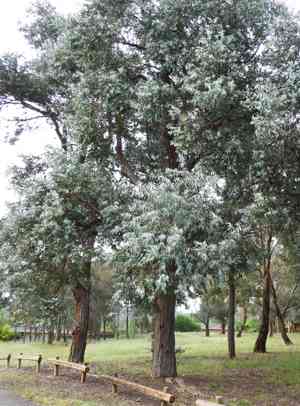
1
To achieve peak growth, hydrate your Argyle apple weekly, modifying based on climatic factors.
2
Assess soil dampness by inserting your digit approximately 2-3 inches (5-7 cm) into the substrate.
3
Employ collected rain or purified water for superior outcomes, since municipal water might contain substances detrimental to plants.
Grasping the Argyle Apple's Hydration Requirements
Elements Influencing Water Needs
The Argyle apple, a lovely and fragrant tree, possesses distinct watering demands influenced by various elements. These encompass the plant's age, soil type, climate, and developmental stage. Younger plants generally require more frequent irrigation to establish their root systems, whereas mature, well-rooted trees exhibit greater drought tolerance. Sandy soil drains faster than clay, necessitating more frequent watering. Furthermore, Argyle apple trees in hot, windy environments will need more water than those in cooler, more humid settings.
Indicators of Excessive and Insufficient Watering
Achieving the correct moisture equilibrium is vital. Overwatering can lead to root decay, evidenced by drooping leaves, yellowing foliage, and stunted growth. Conversely, signs of underwatering include dry, brittle leaves and poor development. Observing these indicators and modifying your watering practices can help maintain a thriving Argyle apple tree.
Step-by-Step Irrigation Guide for Argyle Apple
How to Assess Soil Moisture
Checking the soil's dampness is the initial step in proper irrigation. Utilize your finger or a moisture meter to gauge the soil's wetness. Insert your finger approximately 2-3 inches (5-7 cm) into the soil; if it feels dry at this depth, your Argyle apple needs water.
Optimal Time of Day for Watering
Watering your Argyle apple in the early morning hours is ideal. Lower temperatures reduce evaporation, enabling roots to absorb water efficiently. Avoid nighttime watering, as cooler temperatures and moist conditions can encourage fungal development.
Effective Watering Methods
Employ a gradual and consistent approach when watering. A soaker hose or drip irrigation system can be advantageous as they deliver water directly to the roots, minimizing waste. Ensure the water penetrates deeply, fostering robust root development. Aim for the soil to be uniformly moist but not waterlogged.
Seasonal Adjustments for Argyle Apple Watering
Watering in Warm and Arid Conditions
During summer or in dry climates, increase the frequency of watering. Inspect the soil more often, ensuring it doesn't completely dry out. Applying mulch around the base with organic material can help retain moisture and keep roots cool. Your weekly watering schedule might need to be adjusted to twice a week during extreme heat.
Reducing Water During Colder Months
In cooler periods, decrease your watering frequency. The plant enters a dormant phase and requires less water. Excessive watering during this time can harm the plant by suffocating roots and promoting root rot. Ensure the soil drains well and wait until it is nearly dry before watering again.
Common Errors to Avoid When Watering Argyle Apple
More Water Isn't Always Better
Many gardeners mistakenly believe that more water equates to a healthier plant. However, overwatering can result in root rot and other problems. It's crucial to allow the soil to dry out slightly between watering sessions to keep your Argyle apple thriving.
Using Substandard Water Quality
The quality of water you use can significantly impact your Argyle apple. Tap water, often containing chlorine and other chemicals, can impede growth. Whenever feasible, use rainwater or allow tap water to sit for 24 hours before use to permit chemicals to dissipate. This ensures your plant receives the best possible care.



