How Often Should You Water Your River red gum?
1
Provide moisture to your River red gum on a weekly basis to maintain its vitality.
2
Assess the soil's dampness approximately 5-10 cm (2-4 inches) below the surface prior to irrigation.
3
Adjust the frequency of watering according to seasonal variations and prevailing weather.
Deciphering the River Red Gum's Hydration Requirements
Indigenous Environment and Water Origins
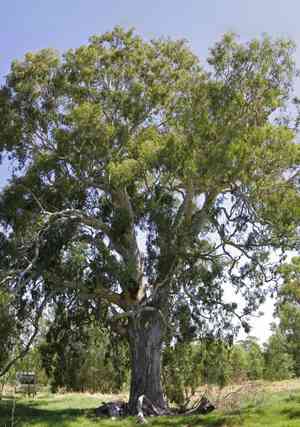
The River red gum, an Australian native, typically prospers alongside waterways and floodplains. These locales offer a steady water supply, explaining its need for consistent irrigation. In its natural habitat, the River red gum draws moisture from both precipitation and subterranean reserves. Grasping this helps replicate its native conditions in your garden.
Indicators of Adequate Moisture
A sufficiently hydrated River red gum exhibits rich, verdant leaves and vigorous development. Its foliage maintains firmness and vivid coloration, signaling appropriate hydration levels. Regularly observe the tree's growth rate and leaf condition to ensure proper water intake. Healthy leaves signify a balanced watering regimen, vital for the tree's overall well-being.
Dangers of Excessive and Insufficient Watering
Over-watering can cause root decay, identified by drooping leaves and a foul earthy smell. Conversely, under-watering presents as shriveled, yellowing leaves and hindered growth. Both extremes can severely harm the River red gum's vitality. It is crucial to uphold a balanced watering routine, ensuring the soil is damp but not waterlogged, to avert these issues.
Effective Watering Practices for River Red Gum
Optimal Time of Day for Hydration
Watering your River red gum during the early morning is perfect. This timing allows the tree to absorb moisture effectively before daily heat intensifies, minimizing evaporative loss. Morning irrigation ensures the tree has ample water to sustain its biological processes throughout the day, fostering robust growth and vigor.
Preferred Irrigation Methods
Deep watering is the premier technique for the River red gum. This involves slowly and thoroughly saturating the tree, letting water infiltrate deeply into the earth. Aim to reach the lower roots rather than merely dampening the surface. Employing a drip system or soaker hose can guarantee a slow, steady water delivery, encouraging profound root development and overall tree health.
Adapting Watering to Season and Climate
Adjust your watering frequency based on seasonal changes and weather patterns. During warmer periods, increase the amount and regularity of water to counteract higher evaporation rates. In cooler, wetter seasons, reduce frequency but ensure the soil remains suitably moist. Monitor local weather predictions and be prepared to modify your watering routine to best support your River red gum.
Resolving Common Hydration Problems
How to Identify Over-watering Symptoms
Signs of over-watering include yellowing leaves, root rot, wilting despite wet soil, and fungal growth on the soil surface. If these symptoms appear, immediately reduce watering and enhance soil drainage. Allow the soil to dry out somewhat before the subsequent watering session to restore a healthy equilibrium for the River red gum.
Mitigating Drought Stress in River Red Gum
Drought-stressed River red gum trees exhibit symptoms like drooping foliage, inhibited growth, and dry, brittle leaves. To alleviate drought stress, increase watering frequency and consider applying mulch around the base to preserve moisture. Consistent hydration during dry spells is vital to prevent lasting damage and ensure your tree flourishes even in difficult conditions.
When to Seek Assistance for Watering Issues
If your River red gum displays persistent signs of distress despite watering adjustments, it may be time to consult a professional. Arborists or horticulturists can offer expert advice, diagnose underlying problems, and suggest advanced remedies. Early intervention can safeguard the tree from severe harm and promote long-term vitality.



