How Often Should You Water Your Purple coneflower?
1
Provide moisture to your Purple coneflower weekly, aiming for consistently damp, not soggy, soil.
2
Amplify irrigation during arid stretches and lessen it when rainfall is abundant—tailor this to your local climate.
3
Direct water to the plant's base, steering clear of wetting the leaves, which can promote the development of fungal infections.
Deciphering the Hydration Requirements of Purple Coneflower
Optimal Soil Moisture for Purple Coneflower
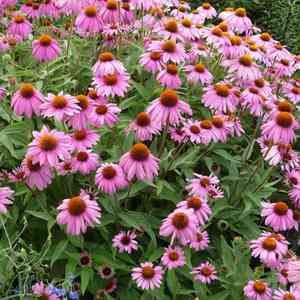
The Purple Coneflower, recognized for its striking pink and purple petals, flourishes in soil that drains effectively. It's crucial to balance moisture without saturating the ground. Aim for soil that is consistently damp but not waterlogged. This plant performs best in soil that holds some humidity but doesn't retain water for extended periods, as excessively wet conditions can lead to root decay.
Impacts of Excessive and Insufficient Watering
Achieving the correct watering balance is vital for Purple Coneflowers. Over-watering can result in waterlogged soil, which suffocates roots and promotes root rot and fungal infections. Conversely, under-watering stresses the plant, causing wilting, browning foliage, and stunted development. Observing the plant's condition and soil moisture can prevent these issues.
Proper Watering Techniques for Purple Coneflower
Seasonal Watering Recommendations
Throughout the year, the watering needs of Purple Coneflower can fluctuate. During the active growth period in spring and summer, maintain a consistent watering schedule—approximately once every seven days. In times of intense heat or drought, you may need to hydrate more often. Conversely, as the plant enters dormancy in fall and winter, reduce watering to prevent soil saturation. Monitor weather conditions and adjust accordingly.
Effective Watering Practices
For optimal growth, water the Purple Coneflower at the base of the plant instead of from above. This minimizes wetting the leaves, which can lead to fungal problems. Utilize a watering can or drip irrigation system to deliver moisture directly to the root zone. Ensure that water penetrates deeply into the soil, encouraging robust root development. Mulching can help retain soil moisture and decrease the frequency of watering.
Monitoring the Well-being of Your Purple Coneflower
Indicators of Adequate Hydration
A thriving Purple Coneflower will display vibrant green leaves and strong stems. Firm, upright petals typically signify proper hydration levels. If the plant maintains its structure and blooms on schedule, it's likely receiving sufficient water. Regularly inspect the soil moisture to ensure it's well-drained but consistently moist.
Adjustments Based on Plant Feedback
If you observe signs of stress such as wilting, yellowing foliage, or impeded growth, re-evaluate your watering routine. Increase or decrease the watering frequency as needed based on weather changes, plant size, and soil type. It's best to make gradual modifications, observing the plant's response before implementing further alterations.



