How Often Should You Water Your Echeveria runyonii?
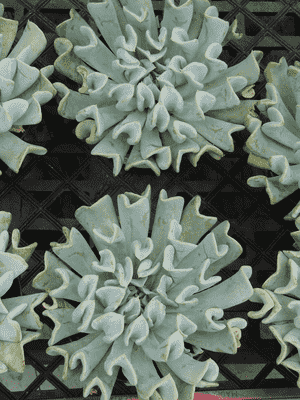
1
Moisten your Echeveria runyonii roughly every fortnight, ensuring the substrate fully dries between hydration sessions.
2
Should your Echeveria runyonii's foliage appear clear and soft, it could indicate excessive watering.
3
During colder months, decrease irrigation frequency as the Echeveria runyonii enters a resting phase.
Echeveria runyonii Hydration Requirements
Optimal Watering Schedule
For Echeveria runyonii, less water is generally preferable. These succulents flourish in conditions mirroring their natural habitat, which means a dry, well-draining environment is ideal. Typically, irrigate your Echeveria runyonii every fortnight. However, this frequency isn't rigid. The key is to ensure the substrate has fully dried out between each watering. Using your finger or a moisture sensor can help determine if it's time to water. If the soil feels completely dry, it's time to hydrate your succulent.
Indicators of Excessive or Insufficient Watering
Identifying the signs of overwatering and underwatering can prevent unnecessary stress for your Echeveria runyonii. Over-hydrated plants typically exhibit swollen, soft, and translucent foliage, which can eventually lead to root decay. Conversely, under-hydrated plants have wrinkled, shriveled leaves that feel arid to the touch. Achieving the right balance is crucial for the vitality and longevity of your Echeveria runyonii.
Effective Watering Practices for Echeveria runyonii
Selecting Appropriate Water
The quality of water you use can influence your Echeveria runyonii's health. Ideally, use rainwater or distilled water for optimal results as these options are free from chemicals commonly found in tap water. If you must use tap water, let it sit for 24 hours to allow chlorine and other chemicals to dissipate before applying it to your plant. Hard water can leave mineral deposits on your succulent's leaves and in the soil, potentially hindering nutrient absorption.
Seasonal Adjustments for Irrigation
Echeveria runyonii's watering needs vary with the seasons. During the active growth period, typically spring and summer, the plant will require more frequent irrigation. However, in autumn and winter, the plant enters a dormant phase where its water requirements are significantly reduced. Adjust your watering regimen accordingly, ensuring to decrease frequency as temperatures drop and daylight diminishes.
Echeveria runyonii Watering Method
Watering technique is vital for your Echeveria runyonii's well-being. Always aim to water at the soil level, avoiding the rosette to prevent water from accumulating on the leaves, which can cause rot. A 'soak and dry' approach works best â thoroughly moisten the soil until water drains from the pot's bottom, ensuring the substrate is well-saturated. Allow it to dry out completely before the next watering.
Resolving Common Watering Problems
Saving an Overwatered Echeveria runyonii
If you've discovered your Echeveria runyonii has been overwatered, act swiftly to rescue it. First, remove the plant from its container and gently brush off the damp soil. Inspect the roots for rot â decaying roots will appear black or brown and feel mushy. Trim off any affected roots using a sterilized tool. Let the plant air dry for a day or two before repotting it into fresh, well-draining soil. Then, place it in indirect sunlight and reduce watering until it recovers.
Revitalizing an Underwatered Echeveria runyonii
An underwatered Echeveria runyonii will exhibit signs of distress such as wilted, shriveled leaves. To revive it, begin by giving the plant a thorough soak â water completely and allow it to drain fully. Sometimes, placing the pot in a shallow water container can help the roots absorb moisture more effectively. Be sure to adjust your future watering schedule, ensuring the soil doesn't remain completely dry for extended periods.



