How Often Should You Water Your Garden pink?
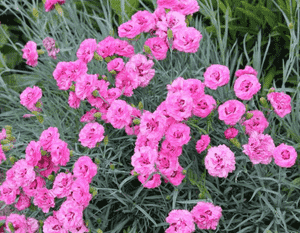
1
Provide moisture to your Garden Pink on a weekly basis, making sure the growing medium stays damp without becoming saturated.
2
Always irrigate your Garden Pink either at dawn or dusk to minimize water loss due to evaporation during peak daytime heat.
3
Employ a soil humidity sensor to obtain precise moisture measurements, preventing both excessive and insufficient watering.
Deciphering the Hydration Requirements of Garden Pink
The Significance of Proper Hydration
Correctly hydrating your Garden pink is essential for its vitality and abundant blossoms. These charming flowers flourish with consistent watering patterns, helping them maintain their lush foliage and avoid stress. A well-hydrated Garden pink shows greater resistance to pests and diseases, ensuring prolonged enjoyment of their beauty.
Indicators of Insufficient and Excessive Watering
Recognizing the symptoms of both insufficient and excessive watering can protect your Garden pink from potential harm. Under-hydrated plants may exhibit wilting leaves, dry substrate, and stunted development. Conversely, over-hydrated plants often present with yellowing foliage, soggy soil, and may develop root rot. Observing these indicators allows for appropriate adjustment of your watering regimen.
Seasonal Adjustments to Watering
The hydration requirements of Garden pink vary with the seasons. During hot summer months, the plant may necessitate more frequent irrigation due to elevated evaporation. Conversely, during cooler periods like autumn and winter, watering should be reduced to prevent waterlogging. Adapting your watering schedule seasonally helps your Garden pink acclimate to changing conditions.
Optimal Practices for Hydrating Garden pink
Selecting the Ideal Time for Watering
Timing your watering is as critical as the volume of water provided. The best time to irrigate your Garden pink is early in the morning or late in the evening. These times of day feature lower temperatures and reduced wind speeds, minimizing water loss due to evaporation. Consistent early morning or evening watering helps ensure your plants have adequate moisture throughout the day.
Effective Hydration Techniques
Employing the correct watering methods can make a significant difference. Instead of a light sprinkle, thoroughly drench the soil to encourage deep root establishment. Avoid wetting the foliage to diminish the risk of fungal ailments. Drip irrigation systems or soaker hoses are excellent approaches as they deliver water directly to the soil, ensuring your Garden pink efficiently receives the necessary moisture.
Monitoring Soil Moisture for Garden pink
Instruments for Assessing Soil Moisture
Tracking soil moisture is crucial to prevent both over and under-watering. A soil moisture meter is an invaluable device that provides precise readings of the soil's moisture level. By inserting the meter into the soil near your Garden pink, you can ascertain if the plant requires hydration. This aids in maintaining the ideal moisture balance, safeguarding the health of your Garden pink.



