How Often Should You Water Your Red pagoda?
1
Moisten your Red pagoda every fortnight to maintain its health and vitality.
2
Excessive watering frequently leads to root decay in Red pagoda specimens.
3
Adapt your irrigation routine according to seasonal shifts, particularly in warmer and colder months.
Understanding the Watering Needs of Red pagoda
Ideal Watering Frequency
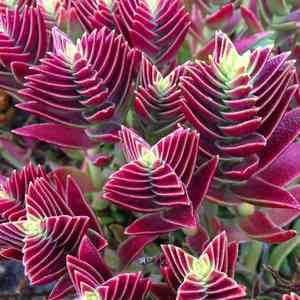
The Red pagoda, recognized for its striking red, pagoda-like leaves, requires consistent but not excessive irrigation. Ideally, moisten your Red pagoda bi-weekly. This routine helps sustain the delicate equilibrium succulents demand, providing sufficient hydration without waterlogging.
Signs of Overwatering and Underwatering
Recognizing indicators of excessive or insufficient watering is vital for your Red pagoda's health. Over-hydrated plants may show soft leaves, discoloration, and a generally droopy appearance. In contrast, under-hydrated plants will exhibit dry, wrinkled leaves that might start shedding. Monitor for these signals and adjust your watering regimen to maintain optimal plant vitality.
Best Practices for Watering Red pagoda
Timing and Techniques
When hydrating your Red pagoda, it's best to do so in the morning. This allows any surplus water to evaporate throughout the day, mitigating the risk of root decay. Employ the 'soak and dry' method, where you thoroughly drench the plant until water exits the pot's bottom, then let the soil completely dry before re-watering. This simulates the plant's natural habitat.
Choosing the Right Water
The quality of water you use can affect your Red pagoda's well-being. Rainwater or purified water is optimal, as they lack chemicals present in tap water, such as chlorine and fluoride, which can accumulate in the soil and harm the plant. If tap water is your sole option, let it stand for 24 hours prior to use to allow some of these chemicals to dissipate.
Seasonal Adjustments in Watering
Summer and Winter Care
The Red pagoda's hydration requirements vary with the seasons. During summer, slightly increase frequency, as higher temperatures can lead to faster soil drying. Conversely, in winter, the plant's growth slows, and you should decrease watering to prevent water from lingering in the soil, which can cause root rot.
Effects of Humidity and Temperature
Humidity and temperature significantly influence your Red pagoda’s watering needs. In high-humidity conditions, the soil retains moisture longer, allowing you to extend intervals between waterings. In colder temperatures, the plant’s water consumption declines, while warmer conditions may necessitate more frequent hydration. Always check soil moisture before watering, regardless of the climate.
Troubleshooting Common Watering Issues
Addressing Root Rot
Root rot commonly arises from over-watering. If you observe your Red pagoda exhibiting signs of root decay, such as soft, brown roots, prompt action is essential. Remove the plant from its container, trim off any affected roots, and repot it in fresh, well-draining soil. Adjust your watering routine to ensure the plant avoids sitting in waterlogged soil.
Preventing Mold and Mildew
Mold and mildew can grow on the soil surface if the plant is excessively watered or if air circulation is poor. To avert these problems, ensure your Red pagoda is in a well-ventilated space and prevent water from resting on the leaves. Water directly at the soil line and ensure any excess water drains away quickly.



