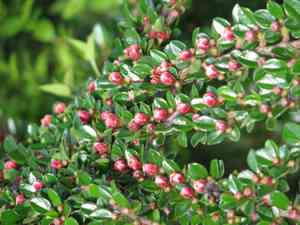
How Often Should You Water Your Rockspray cotoneaster?
1
Fact: Rockspray cotoneaster typically requires watering bi-weekly. Nevertheless, in periods of severe weather, this regularity may vary.
2
Tip: Employing a soil moisture sensor can assist you in preventing excessive or insufficient watering of your plants.
3
Fact: Rockspray cotoneaster tolerates dry conditions fairly well, yet regular watering promotes its vigorous growth.
Deciphering the Hydration Needs of Rockspray Cotoneaster
The Fundamentals of Rockspray Cotoneaster Moisture
To maintain a vibrant and flourishing Rockspray cotoneaster, grasping its moisture requirements is essential. This plant species demands moderate irrigation to sustain its lush appearance and vivid foliage. Generally, irrigate your Rockspray cotoneaster twice weekly. However, always confirm that the uppermost soil layer (approximately 2-3 cm or 1 inch) is parched prior to the subsequent watering. This method prevents saturation and root decay, guaranteeing the plant receives adequate hydration.
Seasonal Watering Considerations
Similar to many plants, the Rockspray cotoneaster exhibits varied water needs throughout different times of the year. During spring and summer, when the plant is actively developing, it will necessitate more frequent irrigation. Warmer temperatures and increased sunlight accelerate the soil drying process. Conversely, in autumn and winter, you will need to lessen the watering frequency. Cooler temperatures and a reduced growth cycle mean the soil retains moisture for extended periods. Adapting your watering habits according to the season ensures your Rockspray cotoneaster remains healthy year-round.
Optimal Watering Techniques for Rockspray Cotoneaster
Selecting Appropriate Watering Implements
Choosing the correct implements can greatly enhance effective watering. For a Rockspray cotoneaster, utilizing tools such as a watering can with a fine spout or a drip irrigation system is perfect. These tools enable uniform water distribution, preventing excessive saturation in any single area. Furthermore, a soil moisture meter can be an invaluable device, assisting you in determining the soil's moisture levels before each irrigation session.
A Step-by-Step Guide to Irrigating Rockspray Cotoneaster
Properly watering your Rockspray cotoneaster guarantees it receives necessary hydration without the risks of over-irrigation. Follow these steps for optimal outcomes:Examine the soil moisture using your finger or a soil moisture meter. Confirm that the top 2-3 cm (1 inch) of soil is dry.Employ your selected watering tool to gently hydrate the plant's base. Avoid wetting the foliage.Irrigate until you observe water beginning to exit the bottom of the pot or until the garden soil feels sufficiently moist to a depth of about 15 cm (6 inches).Allow the soil to slightly dry out between watering sessions, especially in a pot, to ensure proper drainage.
Common Watering Errors to Avoid
Excessive Watering and Its Consequences
Overwatering is a frequent error that can severely impact your Rockspray cotoneaster's health. Indicators of overwatering include yellowing leaves, soft stems, and root rot. This plant thrives in well-drained soil, so ensure you are not saturating the roots. Employing well-draining soil and containers with drainage holes can lessen the dangers of overwatering.
Insufficient Watering: Symptoms and Solutions
On the other hand, underwatering can also create issues, such as wilting foliage, stunted growth, and brown leaf margins. If you observe these signs, it is time to increase your watering frequency. A soil moisture meter can be a useful tool to help you identify the ideal time to water and prevent underwatering. Regular checks and care can quickly correct underwatering problems before they worsen.
Frequently Asked Questions Regarding Rockspray Cotoneaster Watering
How does soil composition influence watering frequency?
The type of soil your Rockspray cotoneaster is planted in significantly impacts its watering frequency. Soils with good drainage, such as sandy or loamy soils, dry out rapidly and may demand more frequent irrigation. Conversely, clay soils retain moisture longer, thereby decreasing the watering frequency. Always adjust your watering schedule to the specific soil type to ensure optimal hydration for your plant.
Can automated irrigation systems be used for Rockspray Cotoneaster?
Yes, automated irrigation systems are suitable for Rockspray cotoneaster. Drip irrigation systems, in particular, are effective in providing consistent moisture without overwatering. These systems deliver water directly to the root zone, minimizing water loss due to evaporation. However, regularly inspect the system to ensure correct operation and modify settings according to seasonal changes.



