How Often Should You Water Your Large-flowered tickseed?
1
To achieve peak growth, irrigate your Large-flowered tickseed weekly, modifying as per climatic factors.
2
Provide water in the early hours or late afternoon to lessen evaporation and guarantee soil hydration.
3
Incorrect watering may result in root rot or desiccation, making it vital to identify indicators of excessive or insufficient moisture.
Grasping the Fundamental Hydration Requirements of Large-flowered tickseed
The Crucial Role of Moisture for Plant Vigor
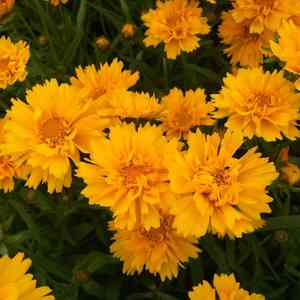
Providing water is a critical component of horticultural care, especially for the Large-flowered tickseed. This vibrant and cheerful blooming plant flourishes when it receives consistent and sufficient hydration. Proper irrigation aids in nutrient transport from the earth to the plant, supports photosynthesis, and maintains overall cellular rigidity, enabling your Large-flowered tickseed to thrive.
How Much Moisture Does Large-flowered tickseed Truly Need?
The Large-flowered tickseed typically demands a moderate volume of water to sustain its health. Generally, a good principle is to irrigate the plant once weekly, ensuring the growing medium is damp but not saturated. The objective is to keep the soil consistently moist, as excessive watering can lead to root decay, while insufficient watering may cause the plant to wilt and struggle.
Optimal Methods for Irrigating Your Large-flowered tickseed
Determining the Ideal Time for Watering
Hydrating your Large-flowered tickseed at the appropriate time of day can profoundly affect its well-being. The best periods for irrigation are either early in the morning or late in the afternoon. This timing allows moisture to penetrate the soil without rapid evaporation due to sun's warmth. Avoid evening watering to minimize the risk of fungal ailments.
Advice for Effective Watering Techniques
To ensure your Large-flowered tickseed obtains peak hydration, consider employing these efficient irrigation methods. Firstly, water the plant's base directly near the soil instead of wetting the foliage, which can encourage disease. Utilize a watering can with a slender spout to regulate water flow and effectively saturate the soil. Applying mulch around the plant's base can also aid in retaining soil moisture and lessening evaporation.
Recognizing Indicators of Improper Hydration in Large-flowered tickseed
Signs of Over-Watering and How to Rectify It
Excessive watering is a frequent issue that can negatively impact your Large-flowered tickseed. Symptoms of over-watering include yellowed foliage, soft stems, and a general lack of robustness. To correct this problem, reduce watering frequency and confirm the soil possesses adequate drainage. Permit the soil to dry out slightly before the subsequent irrigation session.
Detecting and Correcting Under-Watering
Insufficient watering can cause your Large-flowered tickseed to display symptoms such as drooping or curled leaves, parched soil, and stunted development. To fix under-watering, increase the frequency and volume of water supplied. Ensure the water permeates deeply into the soil to foster a strong root system.
Modifying Watering Routines for Seasonal Shifts
Watering Large-flowered tickseed in Warm, Arid Conditions
During hot and dry periods, your Large-flowered tickseed will necessitate more frequent irrigation to maintain its health. Elevated temperatures can rapidly deplete water from the soil, leading to dehydration. Closely monitor soil moisture and water more often, ideally early in the morning, to prevent heat stress on the plant.
Adjusting Hydration in Cooler, Damp Environments
In cooler and more humid conditions, the Large-flowered tickseed will require less frequent watering. The soil holds moisture for extended periods, so it's crucial to verify the soil's moisture level before adding more water. Over-watering in these circumstances can foster fungal proliferation and root rot, so ensure the soil is mostly dry prior to the next irrigation.



