How Often Should You Water Your Lily of the valley?
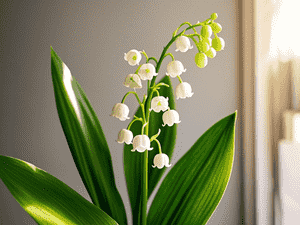
1
Lily of the valley typically needs watering around once weekly, though this may fluctuate with environmental factors.
2
Regularly assessing soil dampness helps avoid both excessive and insufficient watering, promoting a healthy Lily of the valley.
3
Lily of the valley demands more frequent irrigation during its active growth period than in its inactive winter phase.
Grasping the Hydration Requirements of Lily of the Valley
Basic Water Demands
The Lily of the valley is a robust and appealing perennial, recognized for its sweet-smelling, bell-shaped blooms and rich green foliage. Generally, this plant needs consistent dampness but not excessive irrigation. Keeping the soil slightly moist, never saturated, imitates the natural environment where it flourishes. Over-watering can cause root decay, while under-watering leads to wilting and poor development. A balanced approach is vital.
Elements Affecting Watering Frequency
Several aspects influence how often you should hydrate your Lily of the valley. These include the local climate, the soil composition, and the plant's placement. In warmer regions or during periods of strong sunlight, the soil dries out faster, necessitating more frequent watering. Conversely, in cooler or shaded spots, the soil holds moisture longer. Soil type also plays a role; sandy soils drain quicker than clay soils, requiring more frequent irrigation.
Optimal Watering Practices for Lily of the Valley
Correct Watering Methods
When it comes to hydrating Lily of the valley, your chosen technique can greatly impact its health. It's best to water at the plant's base, allowing moisture to reach the roots directly. This minimizes water loss through evaporation and ensures efficient uptake. Early morning or late evening is the ideal time to water, as it reduces evaporation during the day's heat. Use a watering can or a drip system for controlled, deep irrigation.
Common Watering Errors to Avoid
Preventing typical watering mistakes is crucial for your Lily of the valley's well-being. Watering from above can lead to fungal issues on leaves and flowers. Similarly, using overly cold water can shock the plant. Consistency is key; avoid letting the soil completely dry out between waterings, as this can stress the plant. Pay attention to weather patterns and adjust your watering schedule accordingly.
Checking Soil Moisture Before Hydrating
Simple Ways to Gauge Soil Dampness
One of the easiest methods to determine if your Lily of the valley needs water is by checking the soil's moisture level. Insert your finger about 2-3 centimeters (1 inch) into the soil. If the soil feels dry at this depth, it's time to water. For a more precise measurement, a soil moisture meter can be a valuable tool, offering accurate readings and eliminating guesswork from your watering routine.
When to Water Based on Soil Condition
Based on soil conditions, you should water your Lily of the valley when the top layer of soil begins to dry. If the soil remains damp several centimeters below the surface, you can postpone watering. It's important to find a balance, ensuring the soil maintains consistent moisture without becoming waterlogged. Properly assessing and understanding the soil's state can prevent common watering problems.
Seasonal Adjustments for Lily of the Valley Watering
Watering During Active Growth
During its growth phase, Lily of the valley requires more attention to its hydration needs. This period, typically from spring to early summer, is when the plant actively grows, blooms, and spreads. Ensure the soil stays moist and provide a thorough watering once weekly, adjusting based on rainfall and temperature. Applying mulch around the plant's base can help retain soil moisture and lessen watering frequency.
Winter Care and Hydration Needs
In the colder months, Lily of the valley enters a dormant phase, needing significantly less water. The soil should remain slightly moist but never saturated. Watering should be reduced to prevent the soil from freezing, which can harm the roots. Typically, watering once every 2-3 weeks may suffice, depending on indoor conditions or natural precipitation for outdoor plants.



