How Often Should You Water Your Sawara cypress?
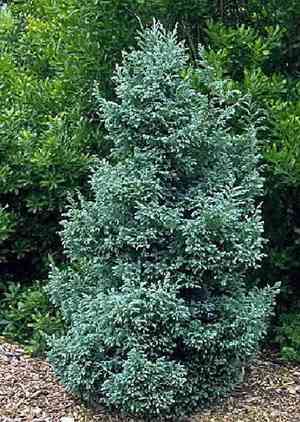
1
During its active growth phase, hydrate your Sawara cypress weekly to support its health and vitality.
2
Lessen how often you water in colder months, as the plant requires less moisture when dormant.
3
Employing a soil moisture sensor can remove uncertainty from watering your Sawara cypress, guaranteeing optimal hydration.
Understanding the Hydration Requirements of Sawara Cypress
Identifying Indicators of Proper Moisture Levels
Supplying your Sawara cypress with the correct amount of water is crucial for its vitality and aesthetic appeal. A sufficiently hydrated Sawara cypress will exhibit rich, lively needles, frequently displaying a deep green hue. The branches will be flexible yet strong, and the tree's overall structure will be upright and vigorous. When irrigating, assess the soil's moisture content approximately 2-3 inches (5-7 cm) below the surface; it should feel slightly moist. If it’s excessively dry or wet, modifications might be necessary.
Typical Signs of Excessive and Insufficient Watering
Recognizing indications of overwatering and underwatering can assist in maintaining an optimal hydration routine. An overwatered Sawara cypress might show yellowing foliage that eventually browns and sheds. The root system could become saturated, leading to root decay and an unpleasant odor from the soil. Conversely, an underwatered Sawara cypress will have parched, brittle leaves, and the plant will appear droopy and stressed. Understanding these symptoms will guide you in making appropriate watering adjustments for your plant’s well-being.
Optimal Strategies for Irrigating Your Sawara Cypress
Determining Watering Frequency Based on Seasons
The moisture requirements of your Sawara cypress fluctuate with the seasons. During spring and summer, when the plant is actively growing, it needs more frequent watering, typically once a week. However, in autumn and winter, when growth slows, it’s advisable to decrease watering frequency to once every two weeks or even monthly, depending on weather conditions and soil moisture levels. Always adapt irrigation based on the plant’s specific needs rather than rigidly adhering to a schedule.
How Soil Composition Influences Watering Methods
The type of soil your Sawara cypress is planted in significantly affects its watering needs. Well-draining soil, such as sandy or loamy soil, is ideal as it allows surplus water to drain away, preventing root rot. If you have clay soil, which retains more water, ensure you water less often and check for standing water. Incorporating organic matter or utilizing raised beds can improve drainage. Pay attention to the soil's water retention characteristics and adjust watering practices accordingly.
Advanced Techniques for Watering Your Sawara Cypress
Using Moisture Sensors for Accuracy
A moisture meter serves as an invaluable tool for precisely gauging your Sawara cypress's water requirements. Insert the sensor into the soil at various points around the plant’s base to obtain a comprehensive reading of the moisture level. This helps eliminate guesswork, ensuring you only water your plant when necessary. Moisture meters are particularly useful if you find it challenging to judge soil moisture by touch or if you wish to adopt a more scientific approach to plant care.
When to Modify Your Watering Regimen
Several elements may necessitate alterations to your watering schedule. For instance, during periods of extreme heat or dryness, your Sawara cypress might require more frequent watering to prevent dehydration. Conversely, in a particularly rainy season, you might need to reduce irrigation to avoid waterlogged soil. Observing your plant closely and reacting to changes in weather and soil conditions will help you refine your watering practices, ensuring your Sawara cypress remains healthy throughout the year.



