How Often Should You Water Your Perennial cornflower?
1
Watering cadence: Provide water to your Perennial cornflower on a weekly basis, modifying as per local weather and time of year.
2
Assess soil dampness: Before reapplying water, confirm that the uppermost 2-3 cm (1 inch) of soil has dried out to avoid excessive moisture.
3
Irrigation methods: Employ a soaker hose or drip system to deliver water directly to the plant's base, minimizing moisture loss through evaporation.
Deciphering the Hydration Requirements of Perennial Cornflower
The Significance of Proper Moisture for Perennial Cornflower
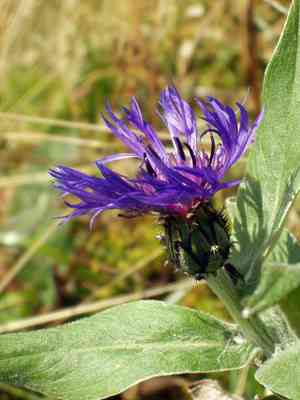
The Perennial cornflower (Centaurea montana) is a striking and robust flowering plant, prized for its vivid blue blossoms. For these flowers to flourish, adequate hydration is essential. Sufficient watering aids in nutrient uptake, promotes strong root development, and maintains overall plant vitality. Insufficient moisture can result in wilting and reduced bloom production, while too much water might cause root decay. Therefore, mastering the balance of hydration is critical.
Indicators of Excessive and Insufficient Watering
It's vital to identify the symptoms of both overwatering and underwatering in your Perennial cornflower. Overwatering often presents as yellowing foliage, a saturated soil surface, or even the appearance of mold. Conversely, signs of underwatering are equally clear — drooping leaves, parched soil, and stunted development. Recognizing these symptoms will help you modify your watering routine accordingly and prevent harm to your plant.
Optimal Practices for Irrigating Perennial Cornflower
When to Hydrate: Understanding the Optimal Timings
Watering your Perennial cornflower at the correct time can make a considerable difference. Ideally, irrigate your plant in the early morning or late afternoon. This timing ensures that the moisture can deeply permeate the soil without rapid evaporation under the midday sun, providing maximal hydration.
Quantity of Water to Apply
Knowing the appropriate volume of water is crucial for the well-being of your Perennial cornflower. Typically, a weekly application of about 2.5 cm (1 inch) of water is sufficient, which amounts to roughly 10-15 liters (2-3 gallons) per square meter. Always modify based on local climatic conditions and the specific needs of your plant.
Advice for Effective Watering Techniques
Efficient watering methods can help guarantee that your Perennial cornflower receives the necessary hydration. Employ a soaker hose or drip irrigation system for more targeted moisture delivery and diminished evaporation. Apply water at the base of the plant rather than from above to deter fungal diseases and reduce water waste. Mulching around the plant's base can also aid in retaining soil moisture.
Seasonal Hydration Guide for Perennial Cornflower
Spring and Summer Care: Elevated Watering Requirements
During spring and summer, your Perennial cornflower will enter its peak growth phase, demanding more water to support blooming and development. Increase your watering frequency during these months, ensuring the soil remains consistently moist but not waterlogged. This might entail watering more than once a week during particularly warm or arid periods.
Autumn and Winter Care: Reduced Moisture Intake
As temperatures decline in autumn and winter, the growth rate of your Perennial cornflower will slow, as will its water demands. Decrease watering frequency during these seasons, ensuring the soil stays slightly damp. Excessive watering during the colder months can lead to root rot and other issues.
Addressing Common Watering Difficulties
Remedying Underwatering Symptoms
If you observe signs of underwatering, such as wilted or dry foliage, increase your watering frequency. Ensure the soil is thoroughly saturated during each watering session but not drenched. Consistency is vital for revitalizing a stressed Perennial cornflower.
Alleviating Overwatering Issues
To tackle overwatering, first assess the soil's drainage. Confirm your Perennial cornflower is planted in well-draining soil and consider incorporating organic matter to enhance drainage. Allow the soil to partially dry out before the subsequent watering. If root rot is suspected, carefully trim the affected roots and replant in fresh, dry soil.
Adjusting Hydration Strategies Based on Plant Vitality
Continuous monitoring of your Perennial cornflower's health will guide you in refining your watering approaches. Healthy green foliage and consistent flowering are good indicators of appropriate watering. Conversely, adapt based on stress signals; for instance, increase watering during heatwaves and decrease it during the rainy season.



