How Often Should You Water Your Cornflower?
1
Cornflowers flourish in soil that drains effectively and dislike overly wet environments.
2
Provide your Cornflowers with water two times a week during their active growth period to ensure peak vitality.
3
Excessive watering can result in root decay, whereas insufficient watering might cause leaves to droop and turn yellow.
Deciphering Cornflower Hydration Requirements
Optimal Ground Moisture Levels for Cornflower
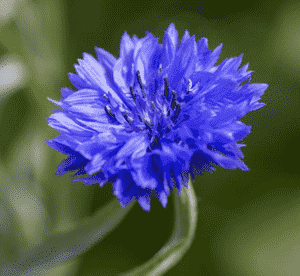
Cornflowers (Centaurea cyanus) flourish best in permeable soil that stays consistently damp but not saturated. Perfect soil moisture levels should feel like a squeezed sponge—neither too arid nor overly wet. Maintaining this precise moisture equilibrium in the soil is crucial for the plant's development, especially during its blooming period. Excessively wet soil can suffocate roots and foster fungal diseases, while completely parched soil can stress the plants and hinder their full flowering potential.
Indicators of Insufficient and Excessive Watering
It's vital to identify the signs of both under- and overwatering to keep your Cornflowers healthy. Under-hydrated cornflowers will appear droopy, with leaves yellowing and becoming more brittle. Conversely, over-hydrated plants might look vigorous initially but soon display symptoms of root decay, such as darkened roots and moldy soil, and may also experience leaf shedding. Observing these clues allows you to modify your watering routine appropriately, thereby preventing further stress to the plants.
How to Successfully Hydrate Cornflowers
Prime Time of Day to Irrigate Cornflowers
The best time of day to irrigate Cornflowers is early in the morning or late in the afternoon. Watering during these cooler periods enables the plants to absorb moisture effectively before the midday heat causes significant evaporation. Avoid watering during the hottest part of the day, as this can lead to water loss and increased plant stress.
Effective Hydration Methods
Effective hydration methods can significantly impact the well-being of your Cornflowers. Aim to water at the base of the plant, avoiding the foliage to lessen the risk of fungal infections. Employing a soaker hose or a watering can with a slender spout ensures the water reaches the root zone where it's most needed. Additionally, deep watering encourages roots to grow stronger and more resilient.
Adjusting Your Irrigation Schedule Seasonally
Adapting your irrigation schedule seasonally is essential for maintaining Cornflower health. During the hot, arid summer months, you might need to water more often, whereas, in cooler, wetter climates, you can reduce the frequency to prevent waterlogging. For instance, in summer, watering twice per week is typically sufficient, while in spring and fall, once a week may be adequate.
Sustaining Optimal Hydration Practices
Regularly Monitoring Soil Conditions
Regularly monitoring the soil conditions is crucial for maintaining optimal hydration practices for your Cornflowers. Use a moisture meter to gauge the soil's moisture content accurately, or simply check by inserting your finger into the soil up to a depth of about 5 cm (2 inches). If the soil feels dry at this depth, it's time to water. Consistent monitoring ensures you don't inadvertently over- or under-hydrate your plants.
Cultivating an Ideal Growth Environment
Cultivating an ideal growth environment involves more than just watering. Ensure your Cornflowers are planted in an area with full sun exposure and well-draining soil. Incorporating organic matter, such as compost, can improve soil structure and moisture retention. Mulching around the plants also helps retain soil moisture and regulate temperature, providing a more stable environment for your Cornflowers to thrive.



