How Often Should You Water Your Floss silk tree?
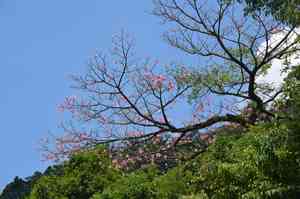
1
Provide water to your Floss silk tree two times weekly during its vigorous growth period for peak vitality.
2
Assess soil dampness by inserting your digit approximately 2 inches (5 cm) into the earth to confirm it's neither excessively parched nor overly saturated.
3
Modify irrigation frequency according to the time of year; reduced watering is necessary in colder months.
Understanding the Hydration Needs of Floss Silk Tree
Elements Affecting Water Requirements
The Floss silk tree enhances any landscape with its striking blooms and distinctive bark. Yet, like all flora, it needs the correct amount of water to flourish. Several elements impact this tree's water demands, such as soil composition, climate, and its age. Young Floss silk trees generally require more frequent irrigation than mature ones, which possess deeper, more expansive root systems. Various soil types, like sandy or clay, also influence water retention and drainage. In regions with high temperatures and low humidity, the tree might need more frequent watering to manage increased evaporation rates.
Seasonal Changes in Watering
Another crucial aspect of caring for your Floss silk tree involves comprehending its seasonal water demands. During its active growth phase, particularly in spring and summer, the tree needs more water as it develops foliage and flowers. Maintaining consistently moist, but not waterlogged, soil is vital. Conversely, in autumn and winter, the tree enters dormancy, requiring significantly less water. Excessive watering during this period can lead to root rot and other issues, so adjust irrigation frequency accordingly.
Step-by-Step Guide to Irrigating Floss Silk Tree
Assessing Soil Moisture Before Irrigation
Prior to watering your Floss silk tree, it's essential to check the soil's moisture level to prevent over or under-hydration. A simple method is the finger test: insert your finger about 2 inches (5 cm) into the soil. If it feels dry, it's time to water; if it's still damp, wait a day or two. For a more precise evaluation, consider using a soil moisture meter.
Watering Techniques for Optimal Health
When hydrating your Floss silk tree, thoroughly saturate the soil so water reaches the deep roots. This encourages the tree to develop a more robust root system. Watering should be performed slowly to ensure deep penetration rather than surface runoff. Utilize a soaker hose or drip irrigation system for best outcomes. Always avoid directly watering the trunk. Instead, irrigate around the drip line â the ground beneath the canopy's edge where roots are more widespread.
Common Watering Errors to Avoid with Floss Silk Tree
Overwatering Dangers and Indicators
Overwatering is among the most frequent mistakes in Floss silk tree care. Excessive moisture can cause root rot, which is detrimental to the tree's well-being. Signs of overwatering include yellowing leaves, soggy soil, and a musty odor from the soil. If these symptoms appear, reduce watering frequency and verify proper drainage.
Underwatering Risks and Symptoms
Conversely, insufficient watering can lead to drought stress in the Floss silk tree. Symptoms include wilting foliage, dry and cracked soil, and stunted growth. If you suspect your tree isn't receiving enough water, increase irrigation frequency and ensure the soil remains consistently moist, especially during hot and arid periods.
FAQs on Hydrating Floss Silk Tree
What is the ideal watering frequency for my Floss silk tree?
During the active growth season, it's best to water your Floss silk tree twice weekly. However, this can vary based on local climate and soil type. Always check soil moisture before watering for optimal results. Conversely, decrease frequency during dormancy to prevent over-saturation.
Can the Floss silk tree withstand dry conditions?
The Floss silk tree is relatively drought-tolerant once established, thanks to its deep root system. However, young trees need consistent watering to help develop those roots. Mature trees can endure brief dry spells but will thrive better with regular irrigation during extended periods of dryness.



