How Often Should You Water Your Madagascar periwinkle?
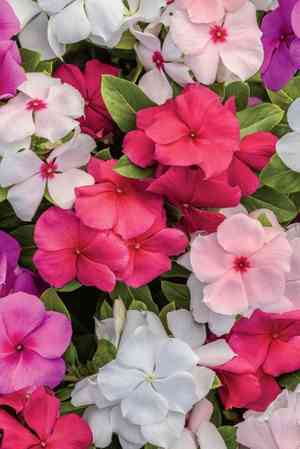
1
The Madagascar periwinkle flourishes with weekly irrigation, though it's crucial to check soil dampness before re-watering.
2
Madagascar periwinkle favors soil that is consistently somewhat damp and can develop root decay from excessive watering.
3
In warmer periods, the Madagascar periwinkle might need more regular hydration, whereas during cooler times, less frequent watering is sufficient.
Deciphering the Hydration Needs of Madagascar Periwinkle
Elements Affecting Water Demands
The hydration requirements of Madagascar periwinkle can fluctuate based on several aspects. The plant flourishes in soil that drains efficiently, which helps prevent waterlogging. Additionally, the amount of sun exposure the plant receives plays a vital role; more sunlight typically means more frequent irrigation. Furthermore, the climate—be it warm, cool, or humid—impacts water needs. For instance, during hot, arid periods, the plant might require watering multiple times a week, whereas, in cooler months, weekly watering is sufficient.
Indicators of Adequate Moisture in Madagascar Periwinkle
A sufficiently hydrated Madagascar periwinkle displays vibrant green foliage and abundant blooms. The leaves should appear firm and upright, not wilting or yellowing. Another sign of proper hydration is the soil; it should be damp but not saturated. If you observe water pooling or excessive wetness, it indicates over-watering. Conversely, if the soil is parched and the leaves are drooping, it signifies the plant needs more water.
Optimal Practices for Watering Madagascar Periwinkle
Ideal Water Volume
Madagascar periwinkle generally requires a moderate quantity of water. Approximately 1 inch (2.5 cm) of water each week is optimal. This can be achieved through weekly watering, ensuring the soil remains consistently moist but not oversaturated. It’s also advantageous to irrigate the plant deeply and less often rather than providing light, frequent watering. This encourages deeper root growth, enhancing the plant’s resilience. Always ensure the container or ground has proper drainage to prevent root rot.
Seasonal Adjustments for Watering
Seasonal shifts necessitate alterations in your watering regimen. During the summer, you might need to increase watering frequency due to higher evaporation rates. Conversely, in winter or during cooler periods, reduce watering as the plant’s growth decelerates, and soil moisture levels remain stable for longer durations. Always monitor the soil’s dampness and the plant’s overall vitality to fine-tune your watering schedule accordingly.
Common Watering Errors to Avoid
Overwatering Issues and Remedies
Excessive watering is a common problem that can lead to root rot, characterized by yellow, drooping leaves, and a waterlogged root system. To prevent this, ensure the soil is well-draining. Use pots with drainage holes, and never allow the plant to sit in standing water. If you suspect overwatering, let the soil completely dry out before the next irrigation. You can also repot the plant using a fresh, well-draining soil mix to promote healthier roots.
Underwatering: Symptoms and Solutions
Insufficient watering can be equally damaging, resulting in dry, brittle foliage and stunted development. If you notice these indicators, it’s crucial to increase watering frequency. For a rapid revitalization, immerse the plant’s root ball in water for about an hour, allowing it to thoroughly absorb moisture. Establish a regular watering schedule, ensuring the soil remains slightly damp. Adding organic mulch can also help maintain soil moisture and reduce the need for frequent irrigation.
Advanced Techniques for Robust Hydration
Utilizing Moisture Meters for Accuracy
For precise watering, moisture meters are an excellent instrument. These devices gauge the soil’s moisture level, providing accurate data to help you decide when to hydrate your Madagascar periwinkle. Insert the meter into the soil, and if it indicates dry or nearly dry, it’s time to water. This method ensures you’re neither overwatering nor underwatering, maintaining optimal soil moisture levels.
Mulching for Moisture Retention
Applying mulch around the base of the Madagascar periwinkle can be highly advantageous. Organic mulches such as straw, bark, or compost help preserve soil moisture, regulate temperature, and suppress weeds. Apply a layer approximately 2-3 inches (5-7.5 cm) thick, ensuring it doesn’t directly touch the plant’s stem. Mulching decreases the frequency of watering, keeping the soil consistently moist and fostering a healthier root system.



