How Often Should You Water Your Shagbark hickory?
1
For best growth, irrigate your Shagbark hickory bi-weekly in most regions.
2
Thorough watering promotes the development of robust, sturdy roots, particularly advantageous for the Shagbark hickory.
3
Prior to watering, always assess soil dampness to prevent excessive irrigation and guarantee your Shagbark hickory receives adequate moisture.
Grasping the Hydration Needs of Shagbark Hickory
Elements Affecting Water Requirements
The Shagbark hickory (Carya ovata) is a robust tree indigenous to North America, recognized for its distinctively peeling bark and edible nuts. Its water demands can fluctuate based on several aspects, including soil composition, climate conditions, and developmental stage. For instance, young Shagbark hickory trees necessitate more frequent irrigation compared to mature ones. Furthermore, sandy soils drain rapidly and might require more regular watering than clay soils, which retain moisture longer. Comprehending your specific environment will aid in fulfilling the tree's hydration needs.
Indicators of Sufficient Hydration
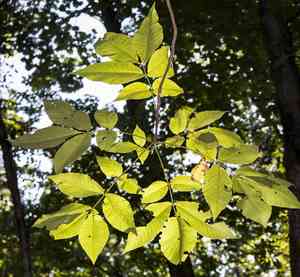
A well-hydrated Shagbark hickory will exhibit vibrant, green foliage and consistent development. During its active growth phase, if your tree's leaves are firm and not drooping, it signals adequate water intake. Observing the bark's condition is also vital; healthy bark should be free from uncharacteristic cracks and peeling. Periodically inspect the leaves and bark to ensure your tree is flourishing.
Ramifications of Excessive and Insufficient Watering
Both over-watering and under-watering can be detrimental to your Shagbark hickory. Excessive watering often leads to root rot, particularly in poorly-drained soils, where waterlogging can suffocate the roots. Symptoms include yellowing leaves, stunted growth, and wilting despite wet soil. Conversely, insufficient watering can result in dry, brittle leaves and poor development. In severe cases, a dehydrated tree may enter a dormant-like state, shedding leaves prematurely. Maintaining equilibrium is crucial for the well-being of your Shagbark hickory.
Optimal Practices for Irrigating Your Shagbark Hickory
When to Irrigate: Time of Day and Seasonal Adjustments
Watering your Shagbark hickory in the early morning or late evening is ideal, as this minimizes evaporation and allows water to permeate deeply into the soil. During the warm summer months, you might need to irrigate more often, especially during dry spells. In contrast, during cooler periods or times of significant precipitation, you might decrease watering to prevent waterlogging. Always modify your watering schedule based on seasonal shifts and weather patterns.
How to Irrigate: Techniques for Deep Soaking
Deep watering is fundamental for fostering a strong root system in your Shagbark hickory. This involves slow irrigation, allowing the water to penetrate at least 30 centimeters (about 12 inches) deep. Utilize a soaker hose or drip irrigation system to deliver consistent moisture directly to the root zone. Avoid shallow watering as it encourages roots to remain near the surface, making the tree more vulnerable to drought.
Monitoring Soil Moisture Levels
Regularly check the soil's moisture to ensure your Shagbark hickory is neither over- nor under-watered. Insert a moisture meter into the soil near the root zone to assess its hydration level. Alternatively, use the finger test: insert your finger about 5-7.5 centimeters (2-3 inches) into the soil; if it feels dry at this depth, it's time to irrigate. Consistent soil moisture monitoring will help maintain the correct balance for your tree.
Adapting Watering Methods in Diverse Climates
Modifications for Arid Climates
In dry and arid climates, Shagbark hickory trees demand more diligent watering due to higher evaporation rates. Applying mulch around the base with organic materials like wood chips or straw can help retain soil moisture and reduce watering frequency. Consider installing a drip irrigation system to provide steady, deep watering, which is vital in arid regions.
Managing High Rainfall Areas
In regions with abundant rainfall, ensure your Shagbark hickory is not subjected to waterlogged conditions. Enhance soil drainage by incorporating organic matter or constructing raised beds. Regularly inspect the soil around your tree to prevent root rot and other water-related issues. During particularly rainy periods, you might need to create channels to divert excess water away from the tree's root system.
Seasonal Irrigation Strategies
Adjust your watering techniques according to the seasons. During the active growth period (spring to early fall), Shagbark hickory trees require more water as they are actively developing and producing leaves. Conversely, in the dormant season (late fall to winter), reduce watering frequency since the tree's water needs are lower. Always observe your tree and adjust irrigation based on its specific requirements throughout the year.



