How Often Should You Water Your Bitternut hickory?
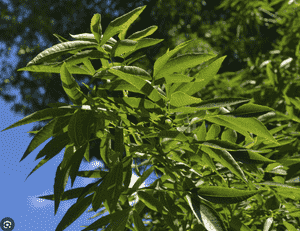
1
To achieve peak growth, make sure Bitternut hickory trees get thorough watering twice weekly, which is ideal for their expansive root networks.
2
A good method to save water while still adequately hydrating your Bitternut hickory involves employing mulching strategies.
3
Prior to watering, assess soil dampness by pushing your finger approximately 5cm (2 inches) into the earth. If it's arid at that level, irrigation is needed.
Understanding Bitternut hickory's Hydration Requirements
How Much Water Does a Bitternut hickory Require?
Bitternut hickory trees, native to North America, flourish in diverse settings due to their robust nature. However, like all flora, they possess specific watering demands for optimal growth. Typically, a Bitternut hickory should receive deep watering to ensure roots absorb sufficient moisture. Thorough irrigation twice weekly guarantees hydration down to the extensive root systems, which can spread considerably. In sandy soils, which tend to drain rapidly, you might need to slightly increase frequency to prevent dehydration.
Indicators of Insufficient and Excessive Watering
Monitoring your Bitternut hickory for signs of water stress is vital. Underwatering leads to drooping leaves, brittle branches, and stunted growth. Leaves may yellow and drop prematurely. Conversely, overwatering can cause root rot, evidenced by saturated soil and an unpleasant, earthy smell. Leaf tips might turn brown or black. Promptly recognizing these signs and adjusting watering practices can protect your tree from lasting harm.
Optimal Watering Practices for Bitternut hickory
When to Water: Timing and Frequency
Proper watering timing significantly impacts your Bitternut hickory's health. Early mornings or late evenings are ideal for watering, as these cooler periods minimize evaporation, ensuring more water reaches the roots. Adhere to the recommended 'twice per week' schedule, but remain adaptable. On particularly hot days, assessing if additional watering is necessary can help maintain optimal moisture levels.
Methods for Effective Irrigation
Effective watering prioritizes quality over quantity. Employ a slow-release method like drip irrigation or soaker hoses to allow water to penetrate the soil deeply and uniformly. Avoid high-pressure sprays that can cause soil erosion and harm young roots. Watering at the tree's base and extending to the drip lineâthe canopy's edgeâensures the entire root system is nourished.
Selecting Appropriate Watering Tools
Choosing the right tools can make a significant difference. For large Bitternut hickory trees, a soaker hose or drip irrigation system can provide consistent moisture without over-saturation. For younger or smaller trees, a watering can with a long spout can deliver water directly to the root zone without disturbing the soil. Ensure any tool you use facilitates slow and steady water application.
Maintaining Soil Moisture for Bitternut hickory
The Function of Mulching
Mulching is a highly effective method to retain soil moisture and shield roots from extreme temperature fluctuations. Apply a 5-10 cm (2-4 inches) layer of organic mulch, such as wood chips or leaf litter, around the base of your Bitternut hickory. This layer helps conserve moisture, suppresses weeds, and slowly decomposes to enrich the soil with nutrients.
Assessing Soil Moisture Before Irrigation
Before each watering session, it's advisable to check the soil moisture. Insert your finger about 5 cm (2 inches) into the soil near the tree's base. If the soil feels dry at this depth, it's time to water. For a more precise reading, consider using a soil moisture meter. Maintaining consistent moisture levels will prevent the extremes of drought or saturation.
Adjusting Watering Based on Seasons and Weather
Watering in Arid vs. Wet Seasons
Watering needs for Bitternut hickory trees vary with the seasons. During dry spells, increasing watering frequency beyond the usual twice a week can help the tree cope with water loss due to heat. Conversely, during rainy seasons, reduce irrigation to prevent waterlogging and root rot. Always monitor weather forecasts and adjust your watering schedule accordingly.
Adapting to Temperature Fluctuations
Bitternut hickory trees are relatively resilient to temperature variations, but extreme changes demand special attention. During hot summer months, ensure the tree receives adequate water to cope with higher evaporation rates. In cooler weather, while the tree might not need as much frequent watering, ensure the soil doesn't dry out completely to prevent winter desiccation. Remember that even dormant trees in winter require some water.



