How Often Should You Water Your Safflower?
1
A mature Safflower specimen generally requires irrigation twice weekly.
2
Excessive moisture can cause root decay, a frequent issue for over-irrigated plants.
3
Hydrate your Safflower during the early hours of the day for optimal outcomes.
Deciphering Safflower's Hydration Requirements
Elements Affecting Water Demand
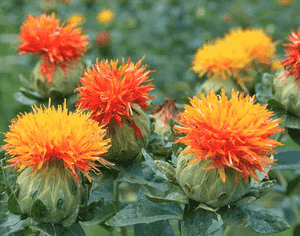
The Safflower is a robust crop primarily cultivated for its oil-rich seeds, utilized in cooking and as avian feed. The water quantity your Safflower requires can fluctuate based on several aspects, such as climate, soil composition, and the plant's maturity. In warm, arid regions, Safflower plants will necessitate more frequent irrigation compared to those grown in cooler, more humid environments. Additionally, sandy soils that drain rapidly demand more regular watering than clay soils, which hold moisture longer.
Indicators of Insufficient and Excessive Watering
Identifying the cues of under-watering and over-watering is vital for maintaining a thriving Safflower plant. Symptoms of under-watering include drooping foliage, parched soil, and stunted development. Conversely, excessive watering can result in yellowing leaves, root decay, and fungal proliferation. Consistently observing your plant for these signals can aid in adjusting your irrigation practices appropriately.
Seasonal Adjustments to Watering
Your Safflower's hydration needs will shift with the changing seasons. During the active growth phase, particularly in spring and summer, more frequent watering is crucial to support the plant's development. As the plant transitions into the autumn and winter periods, significantly reduce the frequency of watering to prevent waterlogging and encourage strong root establishment.
Proper Methods for Safflower Irrigation
Optimal Time of Day for Hydration
Watering your Safflower in the early morning is the most effective approach. This timing allows the plant to absorb moisture before the day's peak heat, thereby minimizing water loss due to evaporation. Morning watering also helps deter fungal infections that can flourish in damp, cool overnight conditions.
Appropriate Irrigation Techniques and Tools
Employing a watering can with a narrow spout or a drip irrigation system are efficient ways to hydrate your Safflower. These approaches ensure water reaches the root zone without saturating the soil's surface excessively. Avoid overhead sprinklers, as they can foster leaf diseases and waste water through evaporation.
Effective Soil Moisture Assessment
To confirm your Safflower receives the correct amount of water, consistently examine the soil moisture. Insert your finger approximately 5 cm (2 inches) into the soil; if it feels dry at this depth, it's time to irrigate. For a more precise measurement, utilize a soil moisture meter.
Maintaining Ideal Soil Conditions for Safflower
Choosing the Correct Soil Blend
Selecting the suitable soil mixture is paramount for your Safflower's vitality. A well-draining soil blend, such as a mix of sandy loam and organic matter, offers the perfect environment. This type of soil prevents water from accumulating around the roots while providing essential nutrients.
Using Mulch for Moisture Retention
Applying a layer of mulch around the base of your Safflower plant assists in retaining soil moisture and stabilizing temperature. Organic mulches like straw, wood chips, or compost are excellent options. Mulching not only conserves water but also suppresses weeds and enhances soil health over time.
Regular Soil Health Monitoring
Conducting periodic soil health assessments is vital to cater to your Safflower's requirements. Checking the pH level, nutrient content, and soil structure can indicate if amendments are necessary. Maintaining a slightly acidic to neutral pH (6.0-7.0) ensures optimal nutrient availability and vigorous plant growth.



