How Often Should You Water Your Incense cedar?
1
Provide moisture to your Incense cedar weekly throughout its active growth period for peak vitality.
2
Excessive watering can cause root decay, which is especially harmful to Incense cedar.
3
Applying mulch around the Incense cedar's base aids in preserving soil hydration, thereby lessening the need for frequent irrigation.
Grasping the Hydration Requirements of Incense Cedar
The Significance of Adequate Moisture for Incense Cedar
Sufficient moisture is vital for the development and well-being of your Incense cedar. This evergreen, native to the mountainous areas of the western U.S., flourishes with the correct water intake. Hydration aids nutrient uptake, helps the tree maintain its form, and supports photosynthesis. Without proper irrigation, the Incense cedar can experience stress, making it more vulnerable to pests and diseases.
Elements Affecting Water Demands
Several elements influence the water demands of Incense cedar. Firstly, the tree's age and size are crucial; younger trees need more frequent watering than established, mature ones. Soil composition is another key factorâwell-draining soils require more frequent irrigation than clay-rich soils, which hold moisture longer. Additionally, environmental conditions like temperature, humidity, and wind can impact the tree's water needs. For instance, higher temperatures and windy conditions can increase water loss through evaporation, necessitating more frequent watering.
How to Ascertain if Your Incense Cedar Requires Water
Visible Indicators of Thirst
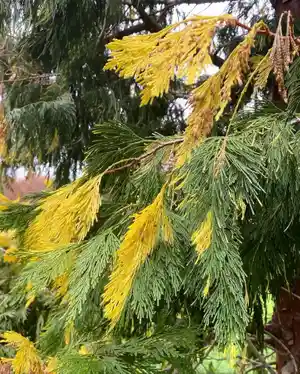
One method to determine if your Incense cedar needs water is by observing its visual cues. Look for drooping or wilting leaves, which signal that the tree is experiencing water stress. Furthermore, leaves that are yellowing or browning at the edges are a clear indication that the tree needs more water. These symptoms are your treeâs way of communicating its need for hydration.
Utilizing Soil Moisture as a Reference
Checking the soil's moisture content is another effective way to assess if your Incense cedar requires irrigation. Insert a finger or a moisture sensor approximately 5-10 centimeters (2-4 inches) into the soil near the tree's base. If the soil feels dry, it's time to water. Conversely, if the soil is still damp, you can wait a few more days before rechecking. This approach helps prevent overwatering, which can be as detrimental as underwatering.
The Influence of Weather and Seasonal Shifts
Weather patterns and seasonal changes significantly affect your Incense cedarâs watering requirements. During the hot summer months, you might need to water your tree more often, perhaps twice weekly, depending on the heat's intensity. In contrast, during the cooler months of autumn and winter, the tree's water needs decrease, and weekly watering may suffice. Always adjust your watering schedule based on current weather conditions to ensure your tree remains healthy throughout the year.
Optimal Practices for Irrigating Incense Cedar
Ideal Watering Methods
When irrigating your Incense cedar, it's best to water deeply and thoroughly. This means allowing the water to penetrate several inches into the soil, reaching the tree's root system. Avoid shallow watering, which can promote surface root growth and lead to instability. Employ a soaker hose or drip irrigation system to ensure uniform and consistent water distribution.
Watering Frequency and Volume
Generally, it's advisable to water your Incense cedar once a week during its active growth period. However, the precise frequency can depend on various factors, including those previously mentioned. Each watering session should provide enough water to moisten the soil to a depth of 30-45 centimeters (12-18 inches). This amounts to approximately 20-40 liters (5-10 gallons) of water for a mature tree. Adjust the quantity based on the tree's age and soil type.
Avoiding Common Watering Errors
A frequent error is overwatering, which can lead to root rot and other fungal diseases. Ensure the soil drainage is adequate to prevent waterlogging. Another mistake is watering the foliage instead of the soil, which can cause fungal issues. Always direct the water to the tree's base, focusing on the soil and roots. Lastly, watering during the hottest part of the day can result in water evaporating before it reaches the roots. It's best to water early in the morning or late afternoon.



