How Often Should You Water Your Scotch heather?
1
Scotch heather flourishes in soil that drains effectively, thus consistently employ a potting blend that guarantees proper drainage.
2
Hydrate your Scotch heather weekly to sustain ideal soil dampness.
3
Refrain from irrigating Scotch heather when temperatures drop below freezing to safeguard its roots.
Grasping the Hydration Requirements of Scotch Heather
The Significance of Proper Moisture for Scotch Heather
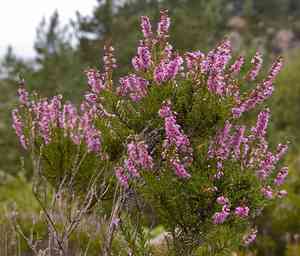
Adequate moisture is vital for the health and vigor of Scotch heather. This plant, recognized for its lovely purple, pink, and white blossoms, demands consistent moisture levels to flourish. Without sufficient water, its flowers can wilt, and the plant's overall well-being may decline. Adhering to a suitable watering regimen is crucial to ensure your Scotch heather stays vibrant and robust.
Indicators of Insufficient and Excessive Watering
Recognizing the signs of under-watering and over-watering is essential for Scotch heather care. Under-hydrated plants will typically exhibit wilting, with dry, brittle foliage and fewer blooms. Over-hydration, conversely, can lead to root decay, evidenced by yellowing leaves, a soft stem base, and a generally unhealthy appearance. Monitoring these indicators will help you modify your watering practices to better suit your plant's needs.
Optimal Practices for Watering Scotch Heather
How Much Water Does Scotch Heather Require?
Scotch heather generally needs a moderate amount of water. Typically, you should provide enough water to keep the soil uniformly moist but not saturated. Aim for approximately 1 to 2 liters (0.26 to 0.53 gallons) of water per plant weekly, adjusting based on your plant's size and environmental conditions.
Watering Frequency Throughout the Year
Watering frequency for Scotch heather can vary with the seasons. During warmer periods, weekly watering is advised to maintain soil moisture. However, as temperatures decrease, especially in winter, reduce watering frequency as the plant enters dormancy. Always check soil moisture before watering and adjust accordingly.
Utilizing Rainwater and Moisture Retention Methods
Rainwater can be an excellent source for watering Scotch heather due to its natural nutrients. If feasible, collect and use rainwater to hydrate your plant. Implementing moisture control techniques, such as applying a layer of mulch around the plant's base, can help retain soil moisture and decrease watering frequency.
Influence of Environmental Factors on Scotch Heather Watering
Impact of Soil Composition and Conditions
The type of soil you use significantly affects Scotch heather's watering needs. Well-draining, acidic soil is ideal as it prevents water from accumulating around the roots, reducing the risk of root rot. Sandy soils are excellent choices, but if you have heavier soil, incorporating organic matter can enhance its drainage capacity.
Adjusting Watering Based on Seasonal Changes
Seasonal shifts influence how often you should water your Scotch heather. During spring and summer, the plant actively grows and thus, requires more water. Conversely, in autumn and winter, its water demands decrease. Consider the seasonal rainfall patterns in your area and adjust your watering schedule accordingly.
Common Watering Errors to Avoid with Scotch Heather
Over-Watering Risks and Prevention
One of the most frequent errors with Scotch heather is over-watering. The roots of Scotch heather are susceptible to rot in excessively wet conditions. To prevent this, ensure your pot or garden area has good drainage and avoid watering more than necessary, particularly during humid or rainy periods. Always check the soil moisture level before deciding to water.
The Peril of Neglecting Watering Needs During Colder Months
While it's true that Scotch heather needs less water in winter, completely ignoring watering during colder months can be harmful. The plant still requires some moisture to sustain its roots. Ensure the soil does not completely dry out, and avoid watering during frost to protect the roots from freezing.



