How Often Should You Water Your Lady of the night?
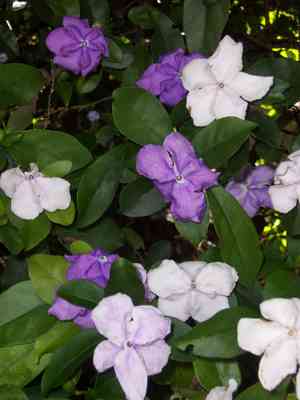
1
Moisten your Lady of the Night plant roughly once a week (every 7-10 days).
2
Keep the soil damp, but not waterlogged, to prevent root decay.
3
Modify how often you water according to the plant's surroundings and seasonal shifts.
Grasping the Hydration Requirements of Lady of the night
Recognizing Indicators of Adequate Moisture
To determine if your Lady of the night is sufficiently hydrated, observe for firm, vibrant foliage. The plant should appear upright and healthy, without any signs of wilting. Proper hydration ensures the soil remains consistently damp to the touch approximately one inch (2.5 cm) below the surface. If these signs are present, your plant is likely receiving appropriate water and flourishing.
Detecting Symptoms of Excessive and Insufficient Watering
Over-watering can result in yellowing leaves, soft stems, and a generally drooping appearance. Conversely, under-watering manifests as dry, brittle leaves and wilting. The plant may seem stressed and less lively. Monitoring these signs is crucial, as both over-watering and under-watering can harm your Lady of the night.
Optimal Practices for Irrigating Your Lady of the night
Selecting the Appropriate Time and Frequency for Watering
The ideal time to water your Lady of the night is in the early morning or late evening. This helps minimize water loss through evaporation and allows the plant to absorb moisture more effectively. Aim to water weekly, but always check the soil's moisture first. If the top inch (2.5 cm) of soil feels dry, it's time to irrigate. Be aware that indoor plants may require less frequent watering due to reduced evaporation rates.
Recommended Water Volume and Application Method
Water your Lady of the night thoroughly until liquid drains from the pot's bottom. Ensuring proper drainage is essential, as excess water can lead to root rot. For plants in the ground, water until the soil is moist to a depth of about 6 inches (15 cm). This typically amounts to roughly one liter (1 quart) of water per week for potted plants. Always avoid splashing water on the leaves, as wet foliage can promote fungal infections.
Maintaining Humidity Levels for Lady of the night
Establishing the Perfect Humidity Environment
Your Lady of the night thrives in humid conditions, so aim to keep the surrounding humidity between 50-60%. This can be particularly important if you're cultivating the plant indoors. Placing the plant in a bathroom or kitchen, where humidity levels are naturally higher, can be beneficial. You can also boost humidity by grouping plants or using a pebble tray filled with water beneath the plant pot.
Humidity Aids: Trays, Sprayers, and Humidifiers
Maintaining humidity can be as simple as misting the plant's leaves once in the morning. Utilizing a tray with pebbles and water below the pot can also help; as the water evaporates, it increases local humidity. For a more controlled environment, consider employing a humidifier in the room where your Lady of the night resides. This is especially useful during colder months when indoor air tends to be drier.
Seasonal Adjustments in Lady of the night Watering
Managing Watering During Warm and Cool Periods
During the hot summer months, your Lady of the night may require more frequent watering due to faster evaporation and increased plant activity. Watering every 5-7 days might be necessary. In contrast, during the cooler winter months, evaporation rates decrease, and the plant's growth slows. You might only need to water every 10-14 days. Always monitor the soil moisture to prevent under or over-watering.
Adjustments for Indoor vs. Outdoor Specimens
For outdoor Lady of the night plants, factors like rainfall and exposure to the elements must be considered. These plants may need less frequent watering during a wet season. Indoor plants, conversely, benefit from consistent watering schedules and controlled environments. The key is to regularly check soil moisture and align your watering routine with the plant's requirements and the environmental conditions.



