How Often Should You Water Your Queensland bottle tree?
1
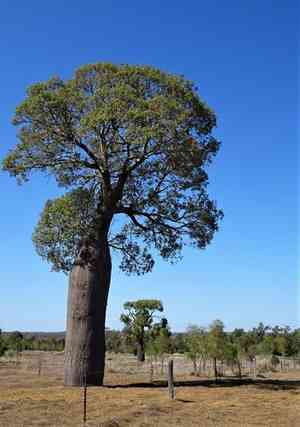
The Queensland bottle tree retains moisture in its enlarged trunk, making it highly resistant to dry conditions.
2
Irrigation frequency may be reduced to once every seven days in colder periods.
3
Prior to watering, always assess soil dampness by inserting a finger approximately 5 cm (2 inches) into the substrate.
Deciphering the Queensland bottle tree's Hydration Requirements
Environmental Factors Influencing Irrigation Frequency
The Queensland bottle tree originates from Australia, specifically regions with arid, hot climates. This adaptation allows them to endure extended periods without water compared to other trees. However, local climate significantly impacts how often you should hydrate your Queensland bottle tree. In warmer climates, soil dries out faster, necessitating more frequent watering during peak summer. Conversely, in cooler or more humid conditions, the need for irrigation substantially decreases. Always adjust watering frequency based on your area's climate and weather patterns.
Soil Composition and Its Effect on Water Retention
Soil makeup greatly affects the amount of water your Queensland bottle tree requires. Well-draining soils, such as sandy or loamy types, are ideal for this tree as they prevent water from pooling around the roots, which can lead to decay. To assess your soil's drainage, perform a simple test: dig a hole approximately 30 cm (12 inches) deep, fill it with water, and observe its drainage speed. If it drains too slowly, consider amending the soil with organic matter or sand to enhance drainage.
Seasonal Hydration Demands
The water requirements of a Queensland bottle tree vary with the seasons. During the active growth period in spring and summer, the tree will need more frequent watering, potentially twice weekly. However, in autumn and winter, its growth slows, and less frequent watering, down to once a week or even less, becomes necessary. Always allow the top layer of soil to completely dry before the next watering to prevent waterlogged roots.
Effective Watering Methods for Queensland bottle tree
How to Water Deeply but Infrequently
Deep watering is crucial for the Queensland bottle tree, as it encourages roots to penetrate deeper into the soil, enhancing the tree's drought resistance. When you water, do so slowly and thoroughly, allowing the water to soak down to a depth of about 30 cm (12 inches). A good method is to water for approximately 30 minutes with a slow-running hose or utilize a drip irrigation system. This approach ensures the soil is fully saturated but minimizes the risk of over-watering.
Identifying Signs of Over-watering and Under-watering
Both excessive and insufficient watering can negatively impact your Queensland bottle tree's health. Indicators of over-watering include yellowing leaves, a soft or waterlogged trunk, and moss or algae growth at the base. Symptoms of under-watering may include drooping leaves, dry and brittle foliage, and a shrunken or wrinkled trunk. Regularly check the soil's moisture level by inserting a finger about 5 cm (2 inches) deep; if it feels dry, it's time to hydrate.
Optimal Practices for Queensland bottle tree Water Conservation
Mulching Techniques to Improve Moisture Retention
Mulching is a highly effective strategy to conserve moisture for your Queensland bottle tree. Apply a 5-7 cm (2-3 inch) layer of organic mulch, such as wood chips or bark, around the tree's base, but keep it a few centimeters away from the trunk to prevent rot. Mulch helps retain soil moisture, moderates temperature fluctuations, and suppresses weed growth, all contributing to a healthier tree.
Selecting the Ideal Time of Day for Watering
The best time to water your Queensland bottle tree is in the early morning or late afternoon. Watering during these periods reduces evaporation, ensuring more water reaches the roots. Avoid watering during the hottest part of the day, as much of the water will evaporate before the soil can absorb it.
Implementing Drought-Tolerant Planting Strategies
Leveraging drought-tolerant planting strategies can greatly benefit your Queensland bottle tree. Grouping plants with similar low water needs and designing a landscape that incorporates them can help conserve water. Additionally, consider planting ground covers around the tree to reduce evaporation and enhance soil moisture.



