How Often Should You Water Your Wax begonia?
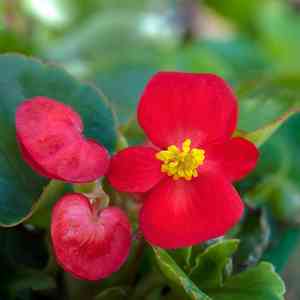
1
During its active growth period, typically spring and summer, provide your Wax begonia with water on a weekly basis.
2
Allow the uppermost 2.5 cm (1 inch) of the potting mix to become dry before re-watering to prevent root decay.
3
Excessive watering may result in yellowing foliage and root rot, whereas insufficient watering causes drooping and browning leaf margins.
Grasping Wax Begonia Hydration Requirements
The Significance of Adequate Moisture
Sufficient moisture is vital for your Wax begonia's health and vibrancy. This tropical perennial flourishes in consistently damp soil, which supports its abundant growth and vivid blooms. Proper watering ensures the plant's cells remain firm, facilitating efficient photosynthesis and nutrient uptake. Irregular watering, conversely, can stress the plant, leading to stunted development and reduced flowering.
Indicators of Excessive and Insufficient Watering
Recognizing the signs of overwatering and underwatering is crucial for maintaining your Wax begonia's well-being. Too much water can cause yellow, drooping foliage and may result in root rot, a condition where roots become soft and dark. Conversely, too little water typically leads to wilting, crisp leaf edges, and overall plant limpness. By closely observing these symptoms, you can adjust your watering habits to keep the plant healthy and thriving.
Optimal Watering Practices for Wax Begonia
When to Irrigate: Determining the Correct Moment
The ideal time to water your Wax begonia is when the top 2.5 cm (1 inch) of the soil feels dry to the touch. To verify this, insert your finger into the soil; if it's dry, it's time to water. Morning irrigation is best as it allows the plant to absorb moisture throughout the day, preventing excessive humidity around the roots overnight.
How to Irrigate: Methods for Ideal Moisture
Correct watering methods ensure your Wax begonia receives the appropriate amount of moisture. Water thoroughly until it begins to drain from the pot's bottom, ensuring uniform water distribution throughout the soil. Avoid letting the plant sit in standing water, as this can cause root rot. For larger containers or garden beds, employing a soaker hose or drip irrigation system can provide consistent moisture without overwatering.
Seasonal Watering Adjustments for Wax Begonia
Summer Care: Increasing Watering Frequency
During the warm summer months, your Wax begonia may need more frequent watering, sometimes up to twice weekly, due to increased evaporation and plant development. Monitor soil moisture regularly, and ensure the plant is uniformly hydrated. Applying mulch around the plant's base can help retain moisture and decrease watering frequency.
Winter Care: Decreasing Water Intake
In the colder winter months, the Wax begonia enters a dormant phase with slower growth, reducing its water requirements. During this period, water the plant less often, approximately every 10-14 days, ensuring the soil is not waterlogged. It's vital to keep the plant in a well-lit, cool area to mimic its natural environment, adjusting the watering schedule as needed.
Common Questions on Watering Wax Begonia
Is tap water suitable for my Wax begonia?
Yes, you can use tap water for your Wax begonia, but it's advisable to let it sit out overnight to allow chlorine and other chemicals to dissipate. Alternatively, you can use filtered or rainwater to ensure the best quality for your plant.
How frequently should I assess soil moisture?
It's good practice to check your Wax begonia's soil moisture every few days, especially during the active growing season. Regular checks help prevent both overwatering and underwatering, allowing you to maintain optimal moisture levels for healthy growth.



