How Often Should You Water Your Japanese laurel?
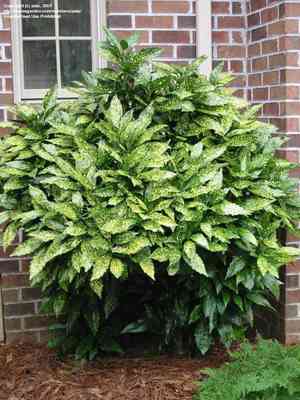
1
Provide your Japanese laurel with water weekly, modifying the schedule according to seasonal shifts.
2
Confirm the growing medium stays damp without becoming oversaturated to avoid root decay.
3
Hydrating in the morning is optimal, letting leaves air dry and inhibiting fungal infections.
Deciphering Japanese laurel Hydration Requirements
Environmental Factors Influencing Moisture Needs
The regional climate where your Japanese laurel resides greatly impacts its watering demands. These plants flourish in temperate zones with sufficient humidity. In hot, arid environments, your Japanese laurel will demand more water to offset elevated evaporation rates. Conversely, in cooler, more moist conditions, irrigation frequency can be reduced as the plant retains hydration longer. Always consider the local weather and modify your watering regimen to maintain your plant's vigor and health.
Ground Composition and Water Retention
The type of ground your Japanese laurel is planted in significantly affects how often it requires hydration. Soils that drain well, such as sandy or loamy types, will necessitate more frequent watering as they don't hold moisture as effectively. Conversely, clay soils retain water for extended periods, meaning you can irrigate less often. It's vital to use soil that maintains some dampness but allows excess water to escape, preventing root rot and other issues.
Optimal Irrigation Methods for Japanese laurel
Ideal Time of Day for Hydrating Japanese laurel
Watering your Japanese laurel at the opportune time of day can profoundly impact its well-being. The best period to irrigate is early in the morning. This timing allows the water to permeate the soil before the sun's intensity rises, minimizing evaporation. Additionally, morning watering grants the foliage time to dry, which helps avert fungal ailments that can arise if leaves remain damp overnight.
Appropriate Water Application Strategies
To ensure your Japanese laurel receives consistent moisture, employing effective water delivery methods is essential. Deep watering techniques, where water is applied slowly and thoroughly, encourage roots to penetrate deeper, making the plant more resilient during dry spells. Avoid superficial watering as it fosters weak root development. Utilizing a soaker hose or drip irrigation system can provide steady moisture directly to the root zone, which is more efficient than overhead watering.
Indicators of Excessive and Insufficient Watering
Recognizing Symptoms of Hydration Stress
Understanding the indicators of water stress in your Japanese laurel can help you adjust your watering habits before significant harm occurs. Overwatered plants might display yellowed leaves, wilting, or root decay, while underwatered plants typically show signs of drooping foliage, dry substrate, and browning edges. Regularly inspect your plant for these signs to ensure it receives the correct amount of moisture.
Steps to Revitalize Improperly Hydrated Japanese laurel
If you've discovered that your Japanese laurel is suffering from inappropriate watering, measures can be taken to restore it. For plants that received too much water, reduce irrigation frequency, enhance soil drainage, and prune any affected roots or leaves. For underwatered plants, gradually increase watering and ensure the entire root system is reached. Closely monitoring moisture levels and adjusting as needed can help return your plant to good health.
Maintaining a Consistent Hydration Schedule
Establishing a Watering Protocol Adapted to Seasons
Creating a consistent watering schedule that evolves with seasonal shifts is vital for your Japanese laurel's well-being. During the active growth period in spring and summer, your plant will demand more frequent irrigation compared to its dormant phase in autumn and winter. Monitor weather conditions and adjust watering frequencies accordingly, paying attention to rainfall and temperature changes.
Employing Tools for Watering Effectiveness
Leveraging the correct implements can significantly boost the efficiency and efficacy of watering your Japanese laurel. Consider using a rain gauge to track precipitation and modify irrigation schedules. Moisture meters are useful for evaluating soil dampness, ensuring you water only when necessary. Drip irrigation systems and soaker hoses distribute water uniformly at the root level, conserving water and fostering more robust plant growth.



