How Often Should You Water Your Asystasia gangetica?
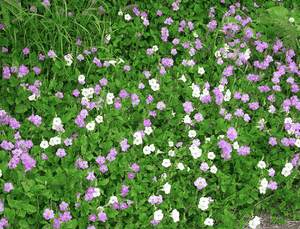
1
Provide moisture to your Chinese violet weekly, adapting to seasonal and environmental changes.
2
Assess soil dampness by inserting your finger 2-3 cm (1 inch) deep; if arid, irrigation is needed.
3
Prevent the plant from standing in water to avert root decay.
Grasping the Chinese violet's Hydration Requirements
The Significance of Proper Moisture for Chinese violet
Appropriate hydration is vital for your Chinese violet's health and vigor. This plant flourishes in damp conditions without becoming saturated. Consistent watering helps maintain cellular turgor pressure, keeping leaves firm and vibrant. Furthermore, water aids in nutrient absorption, photosynthesis, and overall development. Without adequate moisture, your Chinese violet can quickly become stressed, leading to reduced blooming and increased disease susceptibility.
Indicators of Excessive and Insufficient Watering
Recognizing the signs of overwatering and underwatering allows you to customize your watering regimen to your plant's demands. Overwatered Chinese violet plants often exhibit yellowing foliage, a soft stem, and a generally drooping appearance. Conversely, underwatered plants display wilting, browning leaf edges, and brittle leaves. By being observant and noting these indicators, you can make timely adjustments to prevent lasting harm.
Seasonal Hydration Demands
Seasonal shifts influence your Chinese violet's water needs. During the warmer periods of spring and summer, the plant undergoes rapid growth and will require more frequent irrigation. Conversely, in the cooler autumn and winter months, the plant's growth slows, necessitating less water. Thus, while a weekly watering routine is a good guideline, adjusting it based on the time of year ensures optimal hydration.
Effective Watering Techniques for Chinese violet
Optimal Time of Day for Watering Chinese violet
The best time to water your Chinese violet is in the early morning. Morning watering allows the plant to absorb moisture before the midday sun causes evaporation. This timing also ensures foliage has time to dry, reducing the risk of fungal diseases that thrive in moist conditions. Evening watering is less ideal as water may remain on leaves overnight, creating a breeding ground for bacteria and fungi.
Selecting the Appropriate Watering Method
The technique you employ to water your Chinese violet significantly impacts its well-being. Top watering, where water is poured directly onto the plant's base, is the most straightforward approach. However, ensure the water fully penetrates the soil to reach the root zone. Bottom watering, involving placing the plant in a saucer of water for about 15-20 minutes, is another effective method. This allows roots to draw up water as needed. Whichever method you choose, always ensure to drain any excess water to prevent root rot.
How to Assess Soil Moisture Before Watering
Prior to watering your Chinese violet, check the soil moisture to prevent over or under-hydration. A simple method is to insert your finger 2-3 cm (1 inch) into the soil. If the soil feels dry at this depth, it's time to water. Alternatively, a soil moisture meter can provide a more precise reading. This precaution helps ensure you only water when necessary, avoiding water-related problems.
Common Watering Errors to Avoid with Chinese violet
Preventing Saturated Soil
A frequent error is allowing the soil to become waterlogged. This can occur if the pot lacks adequate drainage or if the plant is left in standing water. Saturated soil deprives roots of essential oxygen, leading to root rot and potentially killing the plant. Ensure your Chinese violet is in well-draining soil and always empty any excess water from saucers.
Failing to Adjust for Environmental Changes
Environmental shifts, such as variations in temperature and light, can impact your Chinese violet's water requirements. Not adapting your watering schedule accordingly is a mistake. For instance, indoor heating during winter can dry out the air, increasing the plant's water needs. Monitoring these conditions and adjusting your watering habits can significantly improve your plant's health.
Disregarding Plant Size and Pot Material
Overlooking your Chinese violet's size and pot type can lead to watering issues. Larger plants with more extensive root systems may require more water than smaller ones. Additionally, terracotta pots tend to absorb moisture, potentially necessitating more frequent watering compared to plastic or glazed pots that retain moisture. Understanding these factors ensures you meet your plant's specific needs.



