How Often Should You Water Your Bird's-nest fern?
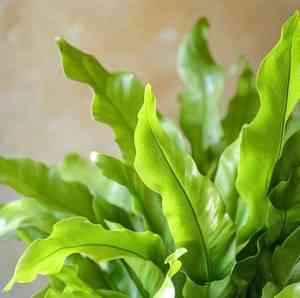
1
Provide moisture to your Bird's-nest fern bi-weekly in typical indoor environments.
2
Confirm the uppermost 2-3 cm (1 inch) of potting mix is parched prior to re-watering.
3
Opt for purified or collected rain to prevent harm that might arise from mineral-rich municipal water.
Deciphering the Hydration Requirements of Bird's-nest Fern
Optimal Moisture Conditions for Bird's-nest Fern
The Bird's-nest fern thrives with consistently damp soil, yet it cannot tolerate waterlogged conditions. The key is to achieve a medium where the soil is neither parched nor excessively saturated. A reliable indicator is maintaining an evenly moist feel to the soil. Visualize a somewhat damp sponge; that's the desired soil consistency. This replicates the native tropical rainforest environment of these ferns.
Variables Influencing Hydration Needs
Several elements can impact the quantity and frequency of watering for your Bird's-nest fern. These encompass ambient humidity, temperature, and even the current season. For instance, ferns in arid settings or near heat sources may require more frequent irrigation. Additionally, during active growth in spring and summer, they might absorb more water compared to their dormant periods in winter. Monitoring these factors helps in customizing the watering routine appropriately.
Practical Watering Advice for Bird's-nest Fern
Watering Frequency for Your Fern
Generally, hydrating your Bird's-nest fern twice weekly is sufficient under typical indoor conditions. However, always permit the top 2-3 cm (1 inch) of the soil to dry before rewatering. If you observe the fronds curling or developing crispy edges, it could signal insufficient watering. Conversely, yellowing fronds might indicate over-hydration.
Optimal Time for Watering
The best period to water your Bird's-nest fern is in the morning. This allows any surplus moisture to evaporate throughout the day, mitigating the risk of fungal infections and root rot. Morning watering aligns with the plant's natural cycle, promoting efficient water uptake as the fern prepares for photosynthesis.
Methods for Uniform Water Distribution
To ensure consistent water dispersal, irrigate the soil uniformly around the pot, rather than concentrating on one side. Employing a watering can with a narrow spout can assist in precisely directing water to the plant's base. Another effective method is bottom-watering, where the pot is placed in a tray of water, allowing the soil to absorb moisture. This technique is especially beneficial in preventing water from collecting within the fern's 'nest' – the rosette of fronds – which can lead to decay.
Indicators of Improper Watering
Excess Watering: What to Look For
Overwatering your Bird's-nest fern can lead to numerous problems. Yellowing fronds, soggy soil, and a musty odor are clear indicators. If the roots are constantly submerged, they can develop root rot, which is often fatal for the plant. Periodically feeling the soil to assess its moisture level can prevent overwatering.
Insufficient Watering: Recognizing the Signs
Underwatering is equally detrimental to your Bird's-nest fern. Signs to observe include dry, brittle edges on the fronds, and a generally wilted appearance. If left too dry for an extended period, the fern may enter survival mode and begin shedding older leaves. Regular checks of soil moisture and adjusting your watering regimen can help resolve underwatering issues.
Maintaining Water Quality for Bird's-nest Fern
The Significance of Using Appropriate Water
The quality of the water you use plays a vital role in your Bird's-nest fern's health. Tap water, particularly if hard, can deposit mineral residues in the soil, which can hinder nutrient absorption. Distilled water, rainwater, or filtered water are excellent alternatives, as they are free from harmful salts and chemicals. Consistent use of clean water ensures the soil remains in a healthy, nutrient-supportive state.
Addressing Hard Water Concerns
Hard water contains elevated levels of minerals like calcium and magnesium, which can accumulate in the soil and impact your fern's well-being. If you use tap water, consider investing in a water softener or filter. Alternatively, allowing the water to sit overnight enables some chlorine to dissipate, making it somewhat more fern-friendly. Regularly flushing the soil with distilled water can also aid in removing accumulated salts.



