How Often Should You Water Your California sagebrush?
1
California sagebrush generally needs irrigation weekly throughout its active growth period.
2
Refrain from directly wetting the leaves; instead, direct water to the plant's base.
3
During periods of intense heat, California sagebrush might necessitate more frequent watering, potentially twice a week.
Grasping the Hydration Needs of California Sagebrush
Attributes Affecting Water Requirements
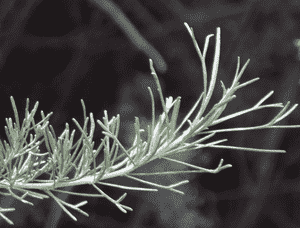
The California sagebrush, indigenous to California's coastal ranges, flourishes in arid, well-drained earth. This flora is well-adapted to dry climates, thus possessing comparatively low water demands versus other garden flora. It's vital to consider its thick, fragrant leaves, which aid in water preservation. Another key element is its deep root system, enabling it to access moisture far beneath the surface.
Seasonal Changes in Irrigation
Watering frequency for the California sagebrush can fluctuate with the seasons. During the warm summer months, the plant will likely need weekly irrigation. Conversely, as the plant enters a more dormant state in cooler winter months, it might require less frequent watering, sometimes as little as once per month. Recognizing these seasonal demands assists in providing optimal care.
Appropriate Watering Methods for California Sagebrush
How to Ascertain When to Water
To determine the right time to water your California sagebrush, check the soil's dampness approximately 5-10 cm (2-4 inches) below the surface. If the soil feels dry at this depth, it's typically time to irrigate. Ensure the soil drains well and is never waterlogged, as standing water can harm the plant. A simple soil moisture meter can be useful for consistent checks.
Optimal Practices for Watering
When irrigating your California sagebrush, aim to thoroughly saturate the root zone without over-drenching the plant. Water in the early morning or late evening when temperatures are lower to minimize evaporation. Avoid directly wetting the foliage, as this can lead to fungal issues. Employing a slow drip irrigation system or a soaker hose can facilitate a deep, effective watering session.
Common Errors in Watering California Sagebrush
Over-irrigation Risks and Indicators
California sagebrush is vulnerable to root rot from excessive watering. Signs of over-irrigation include yellowing leaves, a soft stem base, and poor overall development. Ensuring the plant's soil has good drainage is critical; improve heavy clay soils by incorporating organic matter or utilizing raised beds.
Under-irrigation Problems and Detection
Conversely, insufficient watering of California sagebrush can result in wilting and brown, brittle leaves. The plant might appear stunted and lack vitality. Maintaining a consistent watering schedule, especially during warmer weather, can help prevent these symptoms. Surprisingly, this drought-tolerant plant still requires regular hydration to sustain its health and growth.
Expert Advice for Maintaining Healthy Hydration Levels
Mulching and Other Moisture Retention Techniques
Applying a layer of mulch around the base of your California sagebrush helps retain soil moisture and keep the root zone cool. Organic mulches like wood chips, leaves, or compost can significantly enhance water retention. Additionally, mulching aids in suppressing weeds that compete for water and nutrients.
Adjusting Watering Schedules Due to Climate Shifts
As climate patterns evolve, it's crucial to be adaptable with your watering regimen. Extended periods of heatwaves or drought might necessitate more frequent irrigation, while cooler, wetter periods could allow for fewer watering sessions. Staying informed about weather forecasts and regularly monitoring soil moisture will guide you in making the necessary adjustments.



