How Often Should You Water Your Black chokeberry?
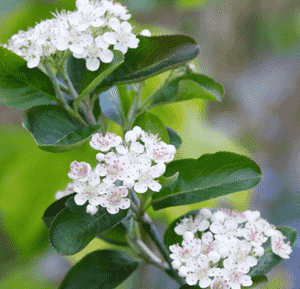
1
Black chokeberry generally requires irrigation two times each week.
2
Thorough watering promotes the development of deeper roots, enhancing the plant's ability to withstand dry periods.
3
Applying mulch around Black chokeberry aids in preserving soil hydration and lessens how often you need to water.
Understanding the Hydration Needs of Black chokeberry
Essential Hydration for Black chokeberry
The Black chokeberry, known for its small, dark, and tart berries, is a robust plant capable of thriving in various climates. However, despite its hardiness, providing sufficient moisture is crucial for optimum growth and fruit yield. Maintaining consistently moist but not saturated soil is fundamental to effective Black chokeberry care. Irrigating the plant twice weekly is usually adequate, particularly during its active growth period.
Factors Affecting Water Requirements
Several elements can influence the Black chokeberry's water needs. Soil composition is a primary factor; sandy soils drain rapidly and may necessitate more frequent irrigation, whereas clay soils retain moisture longer, decreasing the need. Weather also plays a significant role: plants require more water during hot, arid periods but less during cooler, wetter conditions. Furthermore, the plant's developmental stage impacts its water demands. Young plants and recently transplanted shrubs need more frequent watering compared to mature specimens.
Watering Methodologies for Black chokeberry
Optimal Watering Practices for Black chokeberry
For Black chokeberry, deep watering is preferred over frequent, superficial irrigation. This means allowing water to penetrate deeply into the soil to encourage deeper root development, thereby increasing the plant's drought resistance. Watering in the early morning ensures the plant has ample moisture before the day's heat intensifies evaporation. Additionally, consider utilizing soaker hoses or drip irrigation systems for efficient water delivery and to avoid wetting the foliage, which can help prevent diseases.
Common Irrigation Errors to Avoid
A frequent error is overwatering, which can lead to root rot and other issues. Ensure your soil has effective drainage and prevent the plant from becoming waterlogged. Another mistake is irrigating the leaves instead of the soil, which can foster fungal growth and leaf burn. Consistently adhering to these fundamentals will maintain the Black chokeberry's health and vigor.
Seasonal Watering Guidelines for Black chokeberry
Spring and Summer Irrigation Advice
During spring and summer, Black chokeberry undergoes its active growth phase. At this time, it is vital to maintain consistent soil moisture. Watering twice weekly is generally sufficient, but be prepared to adjust based on specific conditions like heatwaves or unexpected dry spells. Applying mulch around the plant's base can help conserve soil moisture and reduce the frequency of watering.
Autumn and Winter Water Adjustments
As temperatures drop and winter approaches, Black chokeberry will require less frequent irrigation. Once the plant enters dormancy, decrease watering to prevent waterlogging and root damage. If you experience dry periods during autumn and winter, a light watering every couple of weeks can be beneficial, especially if there's no natural rainfall.



