How Often Should You Water Your Guinea-fowl aloe?
1
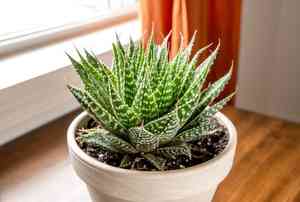
Moisten your Guinea-fowl aloe bi-weekly, verifying soil dampness prior to each watering.
2
Leaves that are yellowing or soft typically signal excessive watering, whereas shrunken leaves point to insufficient watering.
3
Modify the irrigation schedule for your Guinea-fowl aloe in summer and winter to align with the plant's seasonal requirements.
Understanding the Hydration Needs of Guinea-fowl Aloe
The Fundamentals of Succulent Irrigation
Succulents, including the Guinea-fowl aloe, are renowned for their capacity to store moisture within their leaves, stems, and roots. This distinct adaptation enables their survival in arid environments where water is scarce. Grasping this core characteristic is vital for providing appropriate care. The main objective is to prevent excessive watering, which can cause root decay and other issues. Unlike many common houseplants, succulents flourish with infrequent irrigation, mimicking their natural habitat conditions.
Guinea-fowl Aloe's Native Environment Shapes Its Water Requirements
Guinea-fowl aloe originates from South Africa, typically thriving in regions with well-draining soil and minimal precipitation. These surroundings have influenced the plant's watering demands. In its natural setting, Guinea-fowl aloe can endure extended periods without water, relying on stored moisture for sustenance. To replicate this at home, it's essential to allow the soil to completely dry out between watering sessions. This method ensures the plant remains healthy and imitates its indigenous growing conditions.
Practical Advice for Irrigating Your Guinea-fowl Aloe
The Optimal Time to Water: Recognizing Your Plant's Thirst
Determining the correct moment to water your Guinea-fowl aloe requires careful observation. A straightforward approach is to assess the soil's moisture level. Insert your finger approximately 2.5 cm (1 inch) into the soil; if it feels dry, it's likely time to irrigate. Another indicator is the appearance of the leaves. Shriveled or wrinkled foliage suggests the plant needs water, while plump, firm leaves indicate it is adequately hydrated. By noting these signs, you can better schedule your watering to meet your plant's needs.
Best Practices for Watering Methodology
When hydrating your Guinea-fowl aloe, it's important to water thoroughly but not excessively often. An effective technique is the 'soak and dry' approach. This involves saturating the soil until it's completely moist (you'll observe water draining from the pot's base), then allowing it to dry out entirely before the subsequent watering. Always use well-draining soil and containers with drainage holes to prevent waterlogging, which can lead to root rot. Utilizing room-temperature water is also beneficial, as extreme temperatures can shock the roots.
Resolving Common Watering Issues
Indicators of Overwatering and How to Address Them
Overwatering is a frequent problem with succulents. Signs of overwatering in Guinea-fowl aloe include yellowing leaves, soft or translucent foliage, and in severe cases, a decaying stem. If you notice any of these symptoms, reduce your watering frequency and ensure the pot allows excess water to drain. If the root system has begun to rot, it may be necessary to repot the plant in fresh, dry soil, removing any affected roots during the process.
What to Do If Your Guinea-fowl Aloe Is Under-hydrated
While succulents are drought-tolerant, they can still suffer from prolonged neglect. An under-hydrated Guinea-fowl aloe will exhibit shriveled leaves that may become brown and brittle at the tips. If you suspect under-watering, gradually increase the watering frequency. However, avoid drenching the soil all at once. A steady increase will help the plant adapt and recover without the risk of shock. Consistently checking the soil moisture can prevent this issue from recurring.
Seasonal Adjustments in Hydration
Modifying Watering Schedules During Cooler Periods
During the winter months, Guinea-fowl aloe's growth rate diminishes due to reduced light levels and colder temperatures. Consequently, the plant requires less water. Decrease the watering frequency to once every three to four weeks, ensuring the soil is dry before re-watering. Overwatering during this time can lead to root rot, as the plant's water absorption is minimal. Monitoring indoor temperature and humidity can assist in making more precise adjustments.
Summer Care: Increasing Hydration Without Excessive Watering
In the summer, your Guinea-fowl aloe will likely enter a phase of active growth and may require more frequent watering. However, it's crucial not to over-hydrate. Increase the watering frequency to every one to two weeks, depending on the climate and indoor conditions. Ensure the soil is dry before the next watering. Providing your plant with adequate air circulation and indirect sunlight can also enhance its overall health during the warmer months.



