How Often Should You Water Your Zebra plant?
1
Provide ample water to your Zebra plant, ensuring the upper 1-2 inches (2.5-5 cm) of soil dries before rewatering.
2
Spraying the foliage of a Zebra plant can assist in preserving moisture levels, replicating its native environment.
3
In colder periods, decrease how often you water to avoid the decay of roots.
Grasping the Hydration Requirements of Zebra Plant
Characteristics of Zebra Plant's Native Environment
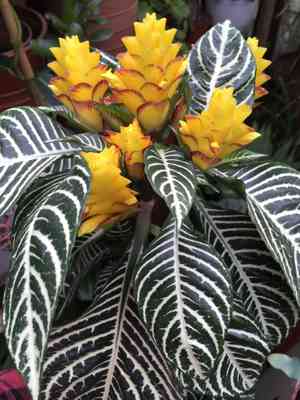
The Zebra plant, recognized for its striking green and white striped foliage, originates from Brazil's tropical rainforests. In its natural habitat, it thrives in a humid setting with abundant rainfall. These conditions maintain consistently moist and damp soil, vital for the plant's well-being. Replicating similar circumstances at home can be key to ensuring your Zebra plant flourishes.
Importance of Correct Irrigation
Appropriate watering is crucial for the Zebra plant as it directly impacts the plant's overall health and vitality. Insufficient water can cause wilting and brown leaf tips, while excessive water can lead to root decay. Achieving the correct balance is essential for preserving its lush and vibrant foliage. Regular watering aids in nutrient absorption and sustains the plant's structural integrity.
Methods for Effectively Watering Zebra Plant
Assess Soil Moisture Prior to Watering
Before irrigating your Zebra plant, it's vital to check the soil's moisture level. Insert your finger approximately 2.5-5 cm (1-2 inches) into the soil. If it feels dry, it's time to water. If it's still damp, wait a few days before rechecking. This approach helps prevent overwatering, which can be harmful to the plant.
How to Water Thoroughly and Uniformly
When hydrating your Zebra plant, aim to saturate the soil completely and evenly. Water the plant's base until liquid begins to flow from the drainage holes. This ensures the entire root system receives adequate moisture. Avoid overhead watering as it can promote fungal and mold growth on the leaves.
Optimal Time of Day to Water Zebra Plant
The best period to water your Zebra plant is in the morning. This allows the plant sufficient time to absorb moisture before temperatures rise, reducing evaporation risk. Additionally, morning watering helps prevent disease as the foliage has time to dry out during the day.
How Seasonal Variations Influence Watering
Adjusting Watering Across Different Seasons
The watering demands for the Zebra plant can fluctuate with the seasons. During the active growth period in spring and summer, the plant requires more frequent irrigation, typically weekly. However, in fall and winter, when the plant's growth slows, decrease watering frequency to every two to three weeks.
Specific Considerations During Hot or Cold Periods
During unusually hot or dry weather, your Zebra plant might need additional watering to cope with increased evaporation and lack of humidity. Conversely, during cold spells, ensure the plant is not exposed to drafts and reduce watering to prevent cold stress and potential root damage.
Common Watering Errors to Avoid with Zebra Plant
Overwatering Risks and Indicators
Overwatering is a frequent error that can lead to root rot and fungal infections in Zebra plants. Signs of overwatering include yellowing leaves, a musty odor from the soil, and a general decline in plant health. To prevent overwatering, always let the top few centimeters of soil dry out before rewatering and ensure the pot has proper drainage.
Underwatering Issues and Symptoms
Conversely, underwatering can cause leaves to wilt, become brittle, and develop brown tips. If you observe these signs, thoroughly water the plant, and consider misting the foliage to boost humidity. Consistent watering and maintaining evenly moist soil are vital for a healthy Zebra plant.



