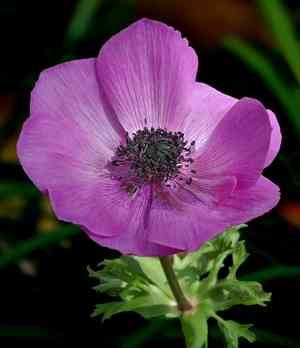
How Often Should You Water Your Poppy anemone?
1
Provide water to your Poppy anemone weekly for best development.
2
Applying mulch around your Poppy anemone aids in keeping the soil moist.
3
Modify irrigation schedule according to seasonal and climatic factors.
Understanding the Hydration Requirements of Poppy Anemone
Recognizing Indicators of Excessive and Insufficient Watering
When tending to your Poppy anemone, it's crucial to identify the signs of both too much and too little water. Over-watering can cause yellowing foliage, root decay, and an overall unhealthy plant appearance. Conversely, insufficient watering is shown by drooping leaves, dry substrate, and brown leaf tips. Paying close attention to these cues will help you modify your watering schedule and ensure your plant thrives.
The Influence of Substrate Type on Water Retention
The kind of soil you utilize significantly affects how often you need to irrigate your Poppy anemone. Well-draining soil, such as sandy or loamy varieties, is preferred as it prevents water accumulation, lowering the risk of root rot. If you're employing heavier clay soil, you might need to adjust your watering regimen to ensure surplus water can drain away.
Seasonal Variations in Hydration Demands
Your Poppy anemone's water needs will fluctuate with the seasons. During the active growth period in spring and summer, your plant will require more frequent irrigation. However, as temperatures decrease in fall and winter, its growth slows, and you can reduce the watering frequency. Always check the soil's moisture before watering, especially in colder months, to prevent over-saturation.
Optimal Practices for Hydrating Your Poppy Anemone
How to Properly Irrigate at the Root Zone
Effective watering involves concentrating on the root area rather than spraying water onto the foliage. Use a watering can or hose with a gentle flow to ensure the water reaches the roots. Water slowly to allow the soil to absorb moisture uniformly, preventing runoff and wasted water.
Watering Frequency During Various Growth Phases
The regularity of watering your Poppy anemone can differ based on its developmental stage. Newly planted anemones or those in their active growth phase may need watering once a week. In contrast, mature plants or those in a dormant state might require less frequent irrigation. Always monitor soil moisture and adjust accordingly.
Tools and Methods for Efficient Hydration
Investing in equipment such as soaker hoses, drip irrigation systems, or even basic moisture meters can improve the effectiveness of your watering routine. These tools ensure water is delivered directly to the root zone and prevents over-watering. Additionally, watering in the early morning or late evening can reduce evaporation and maximize the water you provide.
Maintaining Ideal Moisture Levels for Poppy Anemone
Utilizing Moisture Meters for Accuracy
Moisture meters are valuable instruments that can assist you in maintaining the perfect moisture level for your Poppy anemone. By inserting the meter into the soil, you can obtain a precise reading of the moisture content and determine if it's time to water. This accuracy helps prevent both over-watering and under-watering.
Mulching to Preserve Moisture
Applying a layer of mulch around your Poppy anemone can significantly decrease soil moisture loss. Organic mulches like wood chips or straw help to retain moisture by creating a barrier that slows evaporation. Mulching also benefits the plant by suppressing weeds and maintaining more consistent soil temperatures.
Adjusting Watering Strategies Based on Climatic Conditions
Weather conditions play a crucial role in determining how often you should water your Poppy anemone. During hot, dry periods, the soil will dry out faster, necessitating more frequent irrigation. On the other hand, during rainy spells, you might need to water less frequently or not at all. Always adapt your watering strategy to the prevailing weather conditions to keep your Poppy anemone thriving.



