How Often Should You Water Your Love-lies-bleeding?
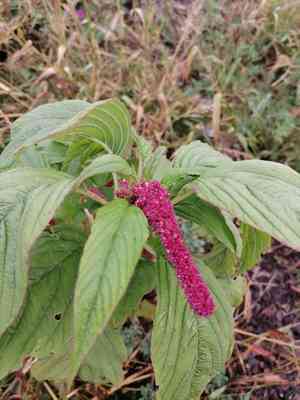
1
Hydrate your Love-lies-bleeding bi-weekly to sustain optimal soil dampness.
2
Love-lies-bleeding thrives when watered during the early morning or late evening hours to lessen water loss through evaporation.
3
Confirm that the planting medium drains effectively to avoid saturated conditions, which often cause root decay.
Deciphering the Hydration Requirements of Love-lies-bleeding
Fundamental Irrigation Guidelines for Peak Performance
Achieving the correct moisture balance is paramount for your cherished Love-lies-bleeding. This plant, recognized for its flowing red blossoms, flourishes in consistently damp but not saturated soil. During intense summer heat, aim to water twice weekly. This frequency guarantees the soil stays moist, delivering essential hydration without overwhelming the root system. In colder periods, you might reduce this, as the plant generally demands less water. Regular watering is crucial for plant vitality, ensuring its vivid flowers retain their appeal throughout the active growth phase.
Indicators of Insufficient and Excessive Watering
Recognizing the symptoms of both under- and over-watering can protect your Love-lies-bleeding from unnecessary stress. Insufficient watering typically presents as wilting, drooping foliage and stems, or yellowing leaves, signifying inadequate moisture. Conversely, excessive watering can result in yellowed leaves and a swollen base, classic symptoms of root rot caused by waterlogged soil. Early detection of these signs enables corrective action to restore plant health, either by modifying your watering routine or enhancing soil conditions for better drainage.
Optimal Practices for Irrigating Love-lies-bleeding
Selecting the Appropriate Time and Schedule for Watering
Accurate watering timing is critical for the well-being of your Love-lies-bleeding. The best times for watering are early morning or late afternoon, which helps minimize water evaporation and allows the plant ample time to absorb moisture before the day's heat. During peak growing periods, a bi-weekly watering schedule is ideal. In winter months, when growth slows, adjust your frequency to prevent over-watering, which can be equally detrimental.
Techniques for Efficient Water Distribution
Effective watering methods can significantly enhance the health of your Love-lies-bleeding. Instead of a single heavy application, consider spreading water uniformly around the plant's base to ensure all roots access moisture. Utilizing a soaker hose or drip irrigation system can provide a slow, steady water supply, which is especially beneficial for maintaining moist soil without waterlogging. This approach also aids in reducing runoff and conserving water.
Adapting Watering Based on Environmental Influences
Environmental elements like temperature, humidity, and soil composition profoundly affect your Love-lies-bleeding's watering needs. In hot and arid climates, your plant may require more frequent irrigation. Conversely, during cooler, wetter spells, you might need to decrease watering. Moreover, sandy soils drain more rapidly and may demand more frequent watering compared to clay soils, which retain moisture longer. Being sensitive to these factors and modifying your watering routine accordingly will help ensure your plant stays healthy and vibrant.
Addressing Common Irrigation Challenges
Reviving a Parched Love-lies-bleeding
If your Love-lies-bleeding displays signs of dehydration, such as wilting or crisp leaves, prompt intervention is necessary. Begin by thoroughly watering the plant, ensuring moisture penetrates deep into the soil. You can also mist the foliage to temporarily boost humidity levels. After watering, regularly check soil moisture, confirming it remains consistently damp but not saturated. With quick attention and care, most plants can recover from dehydration within a few days to a week.
Managing Saturated Soil and Preventive Strategies
Waterlogged soil can be harmful, often leading to root rot in Love-lies-bleeding. To alleviate waterlogged conditions, first, enhance soil drainage by incorporating materials like sand or perlite. Elevated beds or mounds can also help ensure excess water drains away. Additionally, avoid over-watering and always verify soil moisture before adding more water. Implementing a drainage system or using pots with drainage holes can further prevent excess water accumulation, safeguarding your plant from potential harm.



