How Often Should You Water Your Elephant's ear?
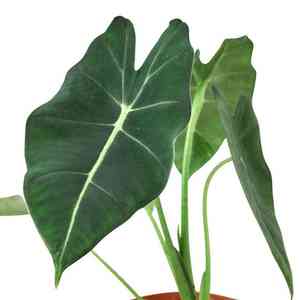
1
Provide weekly irrigation to your Elephant's ear to sustain ideal soil dampness.
2
Before watering, consistently verify if the uppermost 2.5 cm (1 inch) of soil is arid.
3
Seasonal variations and environmental factors influence the required watering frequency.
Deciphering the Hydration Needs of Elephant's Ear
Elements Impacting Moisture Requirements
Multiple variables dictate how much water your Elephant's ear requires. These include the plant's dimensions, the container size, and the medium it's potted in. Larger specimens and containers generally demand more water, and highly permeable soil might necessitate more frequent irrigation. Environmental factors are also crucial; plants in warmer, drier conditions will need more water compared to those in cooler, more humid settings.
Indicators of Adequate Hydration in Elephant's Ear
To confirm your Elephant's ear is sufficiently hydrated, observe for vibrant, firm foliage with a lustrous sheen. Insufficient water can cause leaves to appear dull and droopy, while excessive water can lead to yellowing leaves and root decay. The substrate should feel damp but not saturated. Always probe approximately 2.5 cm (1 inch) beneath the surface to assess actual moisture levels.
Optimal Strategies for Watering Elephant's Ear
Selecting the Appropriate Time and Regularity
Irrigate your Elephant's ear weekly, ideally in the morning to facilitate maximum absorption throughout the day. Always verify soil moisture prior to watering. If the uppermost 2.5 cm (1 inch) of soil is dry, it's time to water. Excessive watering can be as detrimental as underwatering, so adhere to a consistent regimen adapted to your specific surroundings.
Techniques for Effective Irrigation
Employ a watering can equipped with a slender spout to regulate the flow and minimize water overflow. Distribute water evenly around the plant's base to guarantee thorough soil saturation. Refrain from wetting the leaves to mitigate the risk of fungal infections. Allow surplus water to drain through the pot's base to prevent root rot.
Common Watering Errors to Avoid with Elephant's Ear
Overwatering: Dangers and Resolution
Overwatering is a frequent issue with Elephant's ear. Symptoms include yellowing leaves and a soft stem. To correct overwatering, immediately cease irrigation and permit the soil to dry out. Ensure the container has adequate drainage to prevent water accumulation. If root rot has developed, you might need to repot the plant using fresh, dry soil.
Underwatering: Recognition and Correction
Underwatering can cause the foliage of your Elephant's ear to become lackluster and lifeless. The plant may also wilt. To remedy underwatering, thoroughly water the plant until excess moisture exits from the bottom. Regularly check the soil's dampness and adjust your watering routine as required.
Seasonal Adjustments for Elephant's Ear Watering
Hydration During Active Growth
Throughout spring and summer, your Elephant's ear will be vigorously growing and will demand more water. Adhere to a weekly watering schedule but pay extra attention on warmer days when the plant might need an additional mid-week watering. Always confirm the top soil layer is dry before the subsequent watering.
Watering During Inactivity
In autumn and winter, your Elephant's ear enters a dormant phase and requires less water. Reduce watering frequency to bi-weekly or even longer, depending on the indoor climate. During dormancy, maintain the soil slightly drier, but never let it become completely arid.



