How Often Should You Water Your Chinese taro?
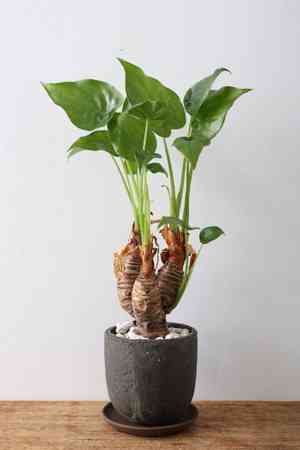
1
Chinese taro thrives in continuously damp soil, avoiding soggy conditions.
2
As a general rule, hydrate your Chinese taro weekly, modifying this based on its surroundings.
3
During colder months, decrease how often you water as the plant's development usually decelerates.
Deciphering Chinese Taro's Hydration Requirements
Optimal Soil Wetness Levels
The Chinese taro thrives when its soil remains consistently damp. Originating from tropical environments, this species is accustomed to elevated humidity and well-draining, moist substrates. To achieve ideal soil dampness, aim for a texture that feels gently moist, akin to a squeezed sponge. Prevent the soil from completely drying out, as this can stress the plant and impede its development. Regularly checking the soil's moisture content with your finger, approximately 2-3 cm (1 inch) below the surface, offers a reliable guide for when watering is needed.
Indicators of Excessive or Insufficient Watering
Both over- and under-watering can adversely affect your Chinese taro's vitality. Symptoms of overwatering include yellowing foliage, a soft stem, and root decay. An unpleasant smell from the soil might suggest rotting roots. In contrast, signs of underwatering encompass browning leaf tips, wilting, and parched soil. Consistent observation of your plant and modifying your watering routine based on these cues will ensure your Chinese taro remains robust and vibrant.
Optimal Watering Techniques for Chinese Taro
Proper Watering Method for Chinese Taro
When hydrating Chinese taro, it is crucial to achieve thorough saturation. This involves watering until you observe drainage from the pot's base, confirming that moisture has reached the plant's root system. Avoid allowing the plant to sit in standing water, which can lead to root rot. Always use water at room temperature to prevent shocking the roots. A regular watering schedule, ideally on a weekly basis, will maintain the plant's health. However, increase frequency if the surrounding environment is particularly warm or arid.
Seasonal Adjustments for Watering Frequency
The watering demands for Chinese taro can fluctuate with the changing seasons. During the active growth periods of spring and summer, the plant may necessitate more frequent irrigation due to accelerated growth and increased evaporation. Conversely, in autumn and winter, the plant's growth typically slows, requiring less frequent watering. It is advisable to reduce watering during these cooler months to prevent overwatering and the onset of root rot. Monitoring soil moisture can help determine the appropriate frequency.
Elements Influencing Watering Schedules
Impact of Environmental Conditions
Environmental factors such as ambient temperature, humidity levels, and light exposure significantly influence how often you should water your Chinese taro. Higher temperatures and increased light intensity can cause the growing medium to dry out more rapidly, demanding more frequent irrigation. Conversely, elevated humidity levels may decrease the need for frequent watering. If your plant is situated in a bright, sunny spot, it might require more frequent watering compared to a plant in a more shaded area.
Plant Dimensions and Pot Material Considerations
The physical size of your Chinese taro and the composition of its container can affect its hydration requirements. Larger plants with more developed root systems generally demand more water due to higher transpiration rates. Furthermore, the pot material is important – terracotta pots tend to draw moisture from the soil, leading to quicker drying, whereas plastic pots retain moisture for longer periods. Adjust your watering regimen based on these aspects to ensure the soil remains consistently moist without becoming waterlogged.



