How Often Should You Water Your Giant onion?
1
Provide water to your Giant onion every one to two weeks for best development.
2
Before irrigating, always assess the soil's dampness to avoid excessive watering.
3
Modify your watering schedule according to the time of year – increase during active growth, decrease during periods of dormancy.
Understanding the Hydration Needs of Giant Onion
The Specific Water Requirements of Giant Onion
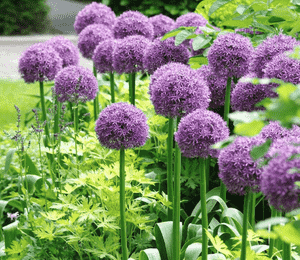
The Giant onion, scientifically known as Allium giganteum, is an impressive decorative plant admired for its tall stature and spherical purple blossoms. This resilient perennial has particular watering demands that are critical for its health and vigor. Its root system prefers to dry out between waterings, making it vital to prevent persistently damp soil, which can lead to rot.
Influence of Soil Type on Watering Schedule
The kind of soil your Giant onion is planted in significantly impacts how often you should provide water. Soil with good drainage, such as sandy or loamy soil, is ideal for this plant as it stops water from accumulating around the roots. If you have dense clay soil, consider enhancing it with organic matter or sand to improve drainage. Generally, the soil should be dry about 2.5 to 5 centimeters (1 to 2 inches) deep before watering again.
Seasonal Changes in Hydration Requirements
Like many plants, the Giant onion's water needs fluctuate with the seasons. During its active growth period (spring and early summer), you'll need to water more frequently to support its rapid development and flowering. Conversely, during its dormant phase (fall and winter), reduce watering frequency as the plant requires less moisture. This adjustment prevents overwatering and helps the plant conserve energy.
A Step-by-Step Guide to Watering Your Giant Onion
Preparing to Water: Equipment and Methods
Proper preparation is essential for effective watering. Use a watering can or a hose with a gentle spray nozzle to prevent damage to the plant. Water in the early morning or late evening to minimize evaporation and ensure water penetrates deeply into the soil. Applying mulch around the plant's base can help retain soil moisture and decrease watering frequency.
Watering Frequency During Active Growth and Dormancy
Adjust your watering regimen according to the plant's life cycle. During the growing season, water your Giant onion every 1-2 weeks, ensuring the soil stays moist but not saturated. In the dormant season, reduce watering to once every 3-4 weeks or even less often if the soil retains some moisture. Always check the soil's moisture levels before deciding to water.
Assessing Soil Moisture Prior to Watering
One of the best methods to ensure proper watering is to check the soil moisture before adding more water. Insert your finger about 2.5 centimeters (1 inch) into the soil; if it feels dry at this depth, it's time to water. Alternatively, you can use a soil moisture meter for greater accuracy. This practice helps prevent both excessive and insufficient watering, maintaining optimal growing conditions for your Giant onion.
Common Watering Errors to Avoid with Giant Onion
Overwatering: Identifying and Correcting
Overwatering is among the most frequent mistakes made with Giant onion. Signs of overwatering include yellowing foliage, soft bulbs, and mildewed soil. If you observe these symptoms, reduce watering frequency and improve soil drainage. Re-potting into fresh, well-draining soil can help rescue an overwatered plant.
Underwatering: Indicators and Solutions
Insufficient watering can also threaten your Giant onion. Wilting leaves, parched soil, and stunted development are signs of inadequate moisture. To fix this, maintain a consistent watering schedule, particularly during warm summer months. Deep watering methods, where water is allowed to permeate the soil thoroughly, help revive an underwatered plant.
Ensuring Uniform Moisture Distribution
Uneven moisture distribution can create isolated areas of wet or dry soil, impacting plant health. To prevent this, water thoroughly and evenly around the plant's base. Employing a drip irrigation system or soaker hoses can ensure uniform distribution over a larger area, providing consistent moisture without waterlogging any part of the soil.



